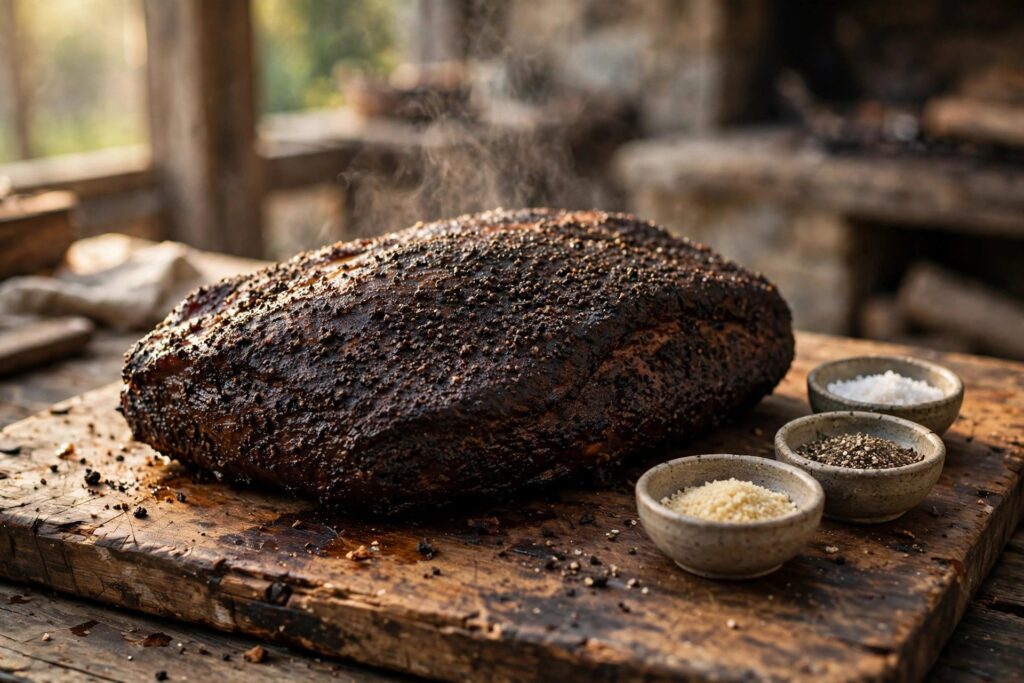
SPG seasoning is a simple rub made from three ingredients: salt, pepper, and garlic. Pitmasters in Texas made it famous by seasoning brisket with little else, and it works on nearly everything that hits a smoker or grill. The classic mix is equal parts of each, though many Texas cooks go heavier on the pepper.
Ask a competition pitmaster what their secret rub is and half the time the answer is SPG. Not some 20-ingredient formula. Just salt, pepper, garlic. There’s a reason this humble mix has survived every trend in barbecue: it does exactly what a great rub should do and nothing it shouldn’t.
This guide covers what each ingredient does, the ratios pitmasters actually use, which grind and grain size to buy, how to apply SPG for the best bark, and the mistakes that make it taste flat.
What SPG Seasoning Actually Is
SPG is shorthand for Salt, Pepper, Garlic — the three ingredients that form the foundation of most Texas-style barbecue. It goes by a few other names in the pit world: Texas rub, all-purpose rub, or AP rub. Some old-school Texas cooks skip the garlic entirely and use only salt and pepper, which they call a “dalmation rub.” But the three-part version is the one you’ll find in most shakers today.
The idea behind it is dead simple. Beef — especially a thick brisket — has a flavor worth showing off. Heavy spice blends with paprika, cumin, chili powder, and brown sugar can bury that beefiness under their own personality. SPG stays out of the way. Salt amplifies the meat’s natural taste. Pepper adds bite and builds the dark, crunchy bark that Texas brisket is known for. Garlic fills in the savory middle without pulling attention.
As one pitmaster-supply blog puts it, SPG really shines when you want the natural flavor of the meat to do the talking. That’s not marketing fluff. That’s the whole philosophy.
Why Pitmasters Love SPG More Than Fancy Rubs
If you’ve browsed the rub aisle, you’ve seen bottles promising “championship flavor” with ingredient lists longer than a receipt. Pitmasters who cook thousands of pounds of meat a year mostly ignore those. Here’s why SPG keeps winning them over.
It lets the meat taste like itself. A great brisket doesn’t need cumin or chili powder to be memorable. The fat, the smoke, and the beef do the heavy lifting. SPG is a frame, not the painting.
It builds better bark. Coarse black pepper is the bark engine of a Texas brisket. During a long smoke, the pepper’s surface roughness catches smoke particles and rendered fat, and the salt pulls moisture out of the surface so it dries and darkens into that crusty exterior. Sugary rubs can build bark too, but they risk turning bitter or burning during a 12-hour cook. SPG has no sugar to scorch.
It’s consistent. Three ingredients means three variables. When a brisket comes out perfect, you know exactly what did it — and you can repeat it. Pitmasters cooking for competition or a busy restaurant line need repeatability more than they need novelty.
It works as a base layer. Plenty of cooks start with SPG and add a second, sweeter rub on top — especially for ribs or pork. The SPG layer seasons deep while the top layer brings sweetness and color. Think of it as primer before paint.
It never goes stale on you. Complex rubs go flat within a few months as their volatile spices fade. Salt, pepper, and garlic granules hold their punch for a long time, especially if you grind the pepper fresh.
The Right SPG Ratio (and Which One You Should Pick)
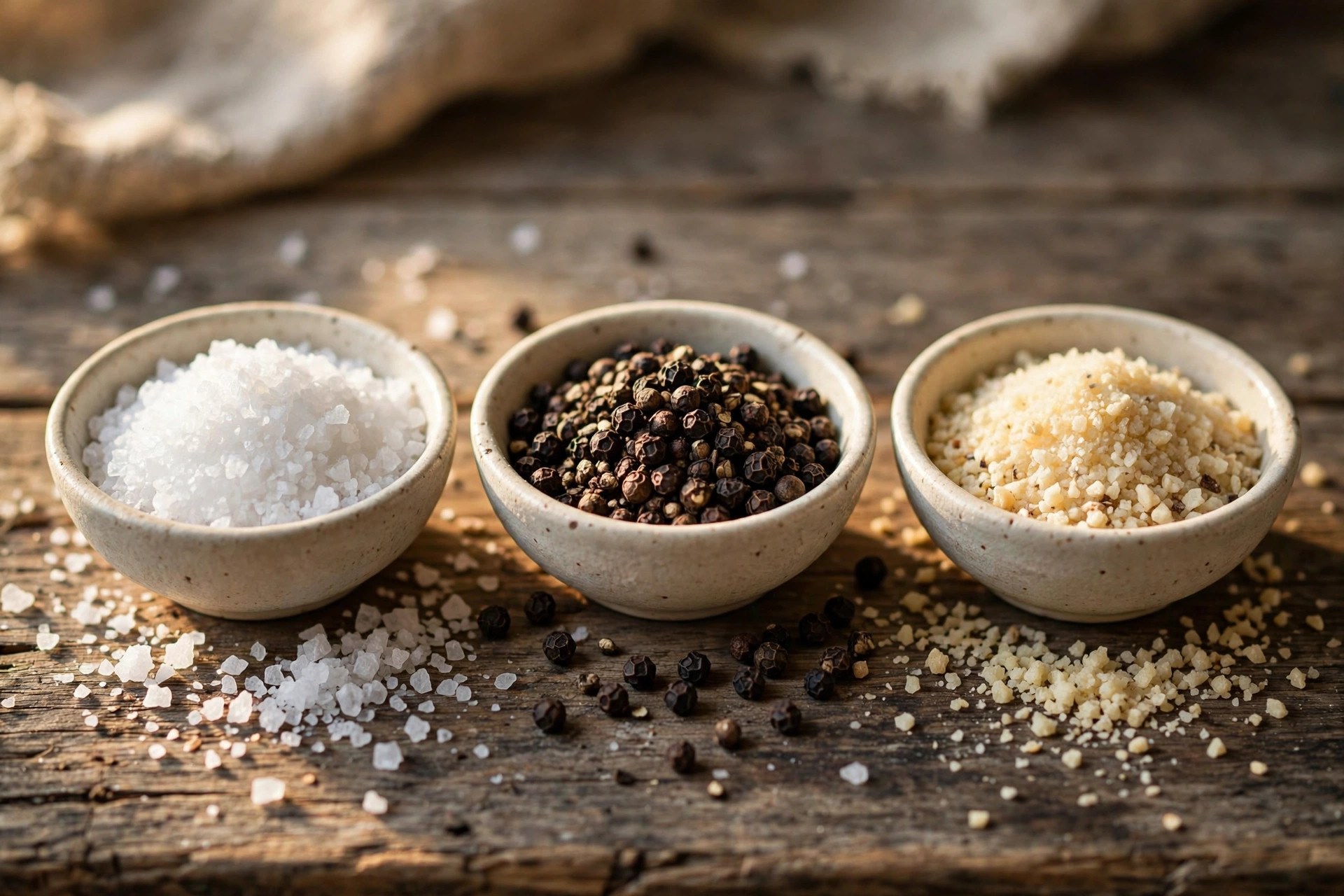
Here’s where pitmasters disagree — and all of them are right. There’s no single official SPG ratio. The right one depends on what you’re cooking and how much pepper heat you like. These are the four ratios you’ll hear about most:
| Ratio style | Salt : Pepper : Garlic | Best for |
|---|---|---|
| Classic SPG | 1 : 1 : 1 | Everyday all-purpose use — steaks, chicken, pork, vegetables |
| Texas pepper-forward | 1 : 2 : 1 | Brisket, where pepper builds the signature dark bark |
| Old-school Texas | 1 : 3 : 1 | Maximum pepper punch on big beef cuts; some cooks push it even further |
| Mild/garlic-leaning | 1 : 1 : ½ | Leaner meats like chicken breast or when you want less pepper bite |
For your first batch, start with the classic 1:1:1. Mix up a small batch — say, ¼ cup of each — and use it on a couple of cooks. Then adjust. Many Texas brisket cooks land around a pepper-heavy 4:2:1 style blend, but that much pepper can overwhelm chicken or fish. The point is to dial it to your taste, not to follow someone else’s formula blindly.
One measurement note: always measure by volume with coarse ingredients, and use the same spoon for all three. A tablespoon of coarse salt weighs a lot less than a tablespoon of fine salt, so the “same spoon” rule keeps your ratios honest even if your scoop sizes vary.
Which Salt, Pepper, and Garlic to Buy
Not all salt is the same salt. The wrong grind or grain can turn a perfect ratio into an oversalted mess. Here’s what to grab.
Salt: coarse kosher salt. Kosher salt’s flat flakes stick to meat better than dense table-salt cubes, and the coarse grain dissolves slowly, seasoning evenly over a long cook. If you switch between brands, know that Diamond Crystal kosher salt is lighter and flakier than Morton’s — you need roughly twice the volume of Diamond Crystal to match the saltiness of Morton. Pick one and stick with it so your muscle memory stays calibrated.
Pepper: 16-mesh coarse black pepper. This is the single most important choice in your SPG. “16-mesh” is the butcher-grind size — big, jagged granules that pitmasters swear by. Fine ground pepper disappears into the meat and adds little texture; coarse granules sit on the surface, catch smoke, and form the crust. If your grinder only does fine, buy pre-ground coarse pepper labeled 16-mesh or “restaurant grind.” Many competition cooks go so far as to crack whole peppercorns fresh for each batch.
Garlic: granulated, not powdered. This one trips people up. Granulated garlic is a coarser grind that flows freely and distributes evenly with the salt and pepper. Garlic powder is finer, clumps in humidity, and can form bitter little pockets on the meat’s surface. Read the label — you want “granulated garlic,” not “garlic powder.”
How to Apply SPG Like a Pitmaster
The seasoning is simple. The technique matters more than you’d think.
- Season the meat cold, straight from the fridge. Cold meat takes smoke better and the salt starts working immediately. Plan on roughly 1 tablespoon of SPG per pound of meat for a thick brisket, less for thin cuts.
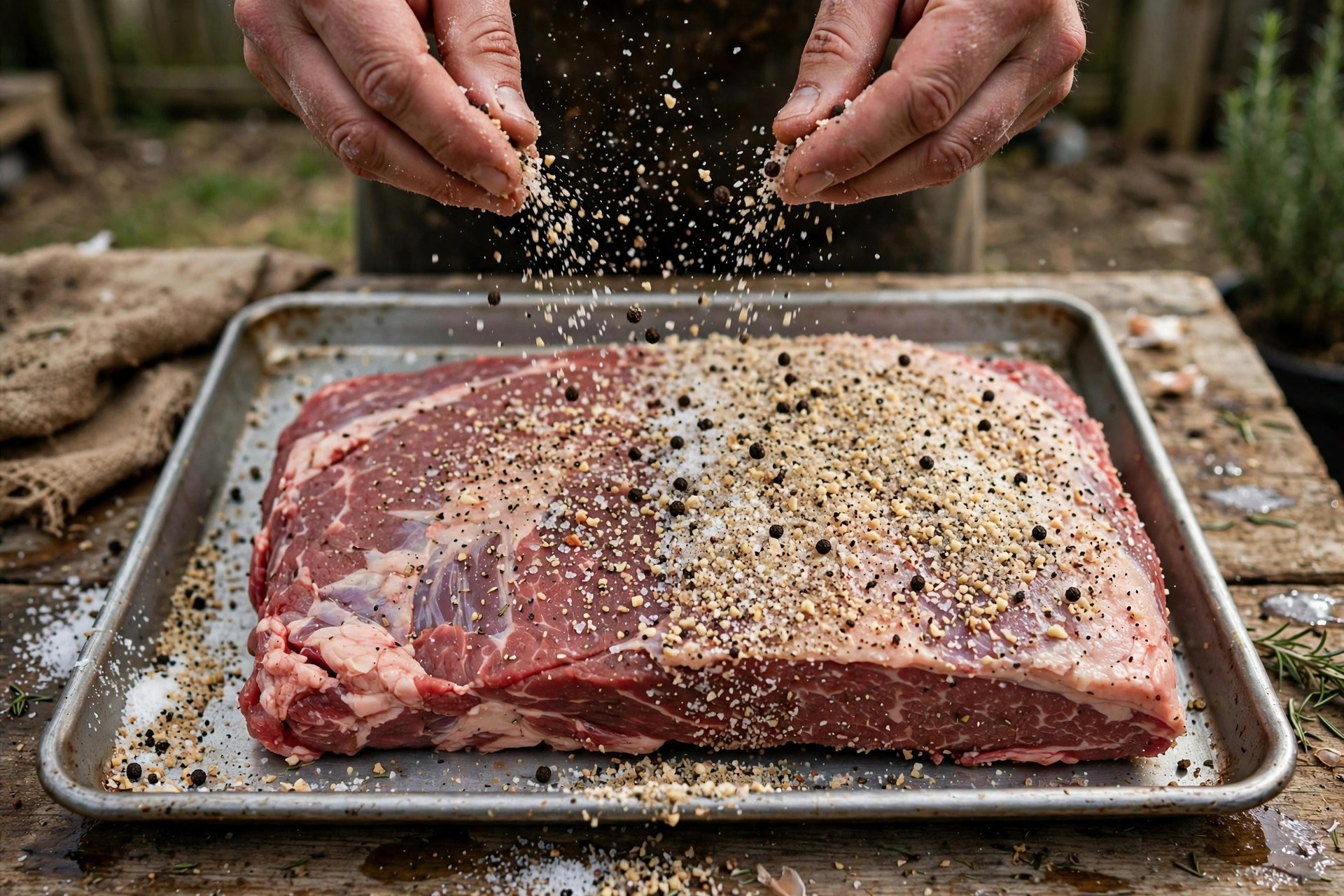
- Shake from 8 to 12 inches above the meat. Height gives you an even, snow-like fall instead of clumps. Move your hand in a steady sweep so every side gets covered.
- Coat until you can’t see meat. For brisket, you want full coverage on all sides — top, bottom, and the edges. Then pat it gently so it adheres. Don’t rub it in aggressively; you’ll just knock it off.
- Time it right. For a dry-brine effect, salt-heavy SPG goes on 12 to 24 hours before the cook. That gives the salt time to penetrate the muscle. If you’re short on time, seasoning 1 to 2 hours before the cook still works — just expect a slightly less seasoned interior.
- Let it sweat. After seasoning, the surface will look wet within 15 to 20 minutes as salt pulls moisture out. That’s normal. The moisture dissolves the salt and glues the pepper and garlic to the meat. By the time the smoker’s ready, the rub will have set into a tacky layer.
On big beef cuts, many Texas cooks season with salt first, wait an hour, then add the pepper and garlic. The split lets the salt penetrate cleanly before the pepper layer goes on top — the pepper-first order in the famous Texas style is exactly why the bark turns out so dramatic.
SPG on Different Meats: What Changes
The same jar works across the board, but a few tweaks per protein go a long way.
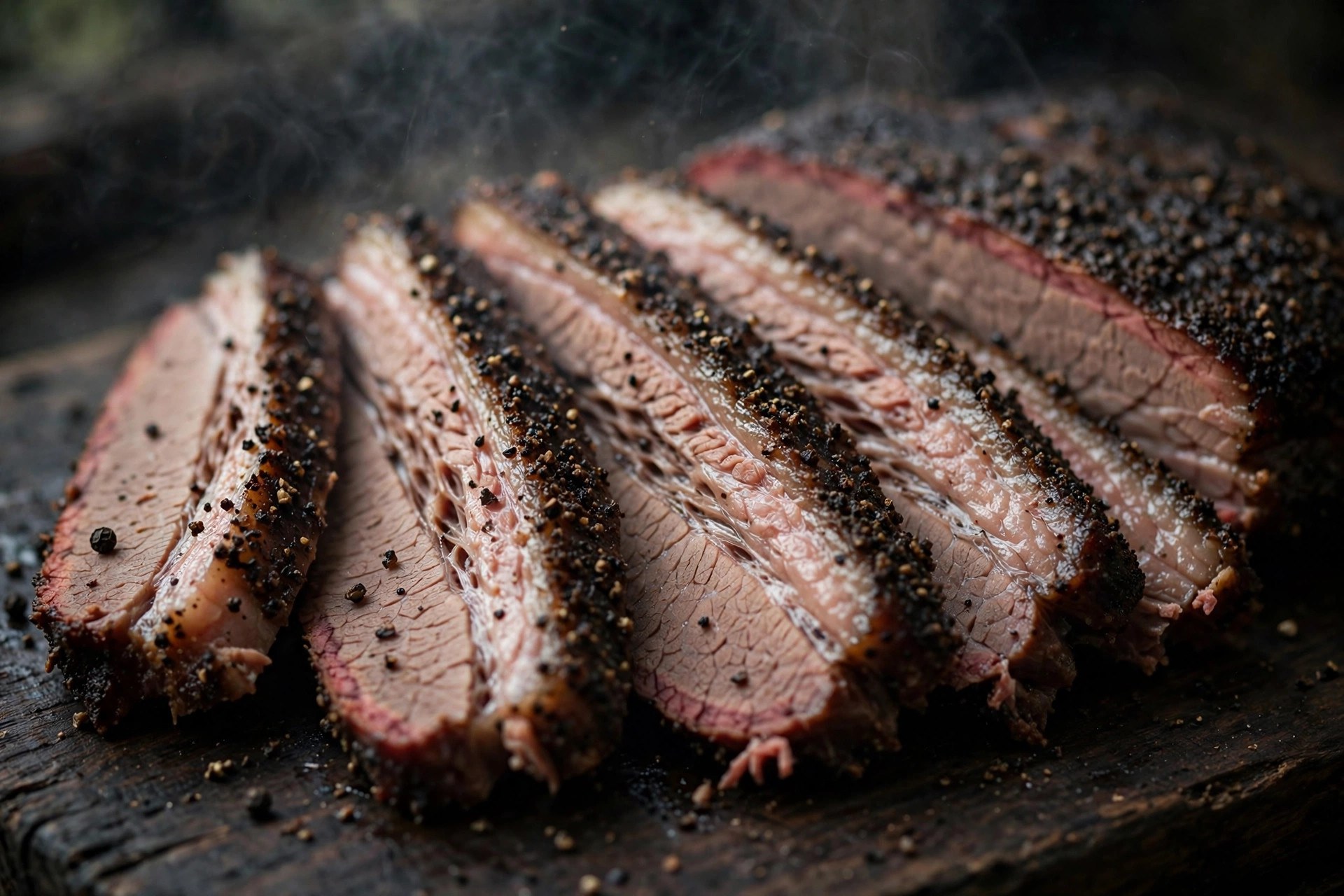
- Brisket: Go pepper-forward (1:2:1 or heavier). Season all sides, smoke at 225–250°F, and let the pepper build that near-black bark. SPG is the traditional Texas brisket seasoning — the classic “dalmation rub” of just salt and pepper is SPG’s closest cousin.
- Steak: The classic 1:1:1 ratio, applied 40 minutes to 1 hour before grilling. Coarse pepper chars beautifully over direct heat. Rest the steak well — see our guide on resting meat after cooking for why the wait matters.
- Pork ribs and butts: Use SPG as the base layer, then add a sweeter rub with brown sugar and paprika on top. The salt penetrates while the top layer builds color. This two-layer approach is how many competition teams build ribs.
- Chicken: Dial the pepper back (1:1:½) and apply under the skin where you can. Garlic can scorch on chicken cooked over high direct heat, so keep the bird at moderate temps or go indirect.
- Texas-style everything: If you’re chasing that authentic Texas BBQ style, SPG (or salt-and-pepper alone) is the expected flavor profile — sweet rubs taste out of place there.
Mistakes That Make SPG Taste Flat
Using fine table salt. Fine salt packs nearly twice the sodium per spoon as coarse kosher. A 1:1:1 mix made with table salt comes out harsh and one-dimensional. Coarse is the whole game.
Grinding the pepper too fine. Powdered pepper dissolves into the meat and vanishes. You lose the texture, the bite, and much of the bark-building power. If your pepper pours like dust, upgrade it.
Burning the garlic. Granulated garlic turns bitter above about 325°F during long exposure. On hot-and-fast cooks like seared steaks, that’s fine — the time is short. On a low-and-slow smoke at 225–275°F, garlic is perfectly safe for hours. Match the garlic form to the cook.
Seasoning with a stale jar. Pre-ground pepper loses its punch after 3 to 6 months, even sealed. If your SPG smells like nothing when you open the jar, the pepper is done. Grind fresh or replace it.
Skimping on coverage. Timid seasoning is the most common backyard mistake. A 14-pound brisket can take a full ½ cup of SPG without breaking a sweat. If you can still see bare meat through the rub, you haven’t used enough.
Using a binder like mustard or oil first can help heavy coats of SPG stick to the meat during handling — worth it if you’re moving a big packer from the kitchen to the smoker.
SPG Seasoning FAQs
What does SPG stand for?
SPG stands for Salt, Pepper, and Garlic — the three ingredients in the classic Texas pitmaster rub. It’s the base seasoning for brisket at most Central Texas barbecue joints, where many cooks use salt and pepper alone (the “dalmation rub”).
What is the best ratio for SPG seasoning?
The classic all-purpose ratio is 1:1:1 by volume — equal parts coarse kosher salt, coarse black pepper, and granulated garlic. For brisket, many Texas cooks go pepper-forward at 1:2:1 or even 1:3:1 (salt:pepper:garlic) to build a thicker, darker bark.
Can I use SPG seasoning on chicken and pork?
Yes. Use the classic 1:1:1 ratio for everyday grilling, and dial the pepper back slightly for chicken. For ribs and pork butts, many pitmasters apply SPG as a base layer, then add a sweeter rub on top.
How long does homemade SPG last?
Stored in a sealed jar in a cool, dry cabinet, homemade SPG stays good for about 6 months. The salt and garlic hold up fine; pre-ground pepper is the weak link, fading after 3 to 6 months. If it smells flat, grind fresh pepper and remix.
Is SPG the same as a Texas rub?
Mostly, yes — “Texas rub” usually means an SPG blend, often mixed extra pepper-heavy for brisket. Some Texas joints use only salt and pepper with no garlic at all, which is technically a dalmation rub rather than SPG.
SPG seasoning is proof that barbecue rewards restraint. Mix a jar this week: ¼ cup coarse kosher salt, ¼ cup 16-mesh black pepper, ¼ cup granulated garlic, shaken well in a sealed jar. Then put it on the next brisket, steak, or chicken you cook — and taste what three ingredients can do. Once you nail your ratio, try pairing it with the right smoke: our brisket slicing guide shows how to finish the cook properly.
[…] Carolina instinct: keep the acid high, keep the fat in check. A simple Lexington-style rub is just salt, pepper, and garlic — the smoke and the dip do the […]