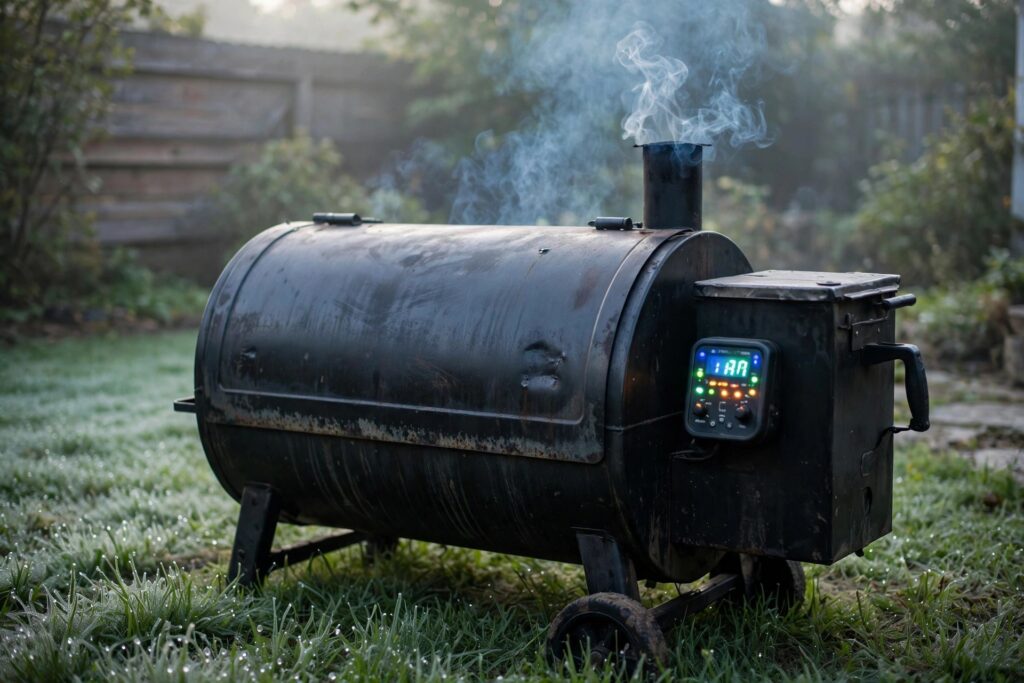
How long to preheat a smoker depends on the type: pellet and gas smokers need 15–20 minutes, electric smokers need 30–45 minutes, and charcoal or offset smokers need 45–60 minutes. In every case, wait until the smoker holds your target temperature steadily for 10 minutes before the meat goes on.
Skipping the preheat is one of the most common beginner mistakes in barbecue, and it costs you in ways that are hard to diagnose later. The ribs taste a little bitter. The temperature swings for the first two hours. The cook runs long and the bark never quite sets. Almost every one of those problems traces back to meat that went into a smoker that wasn’t ready. Here’s exactly how long each type of smoker takes, why it matters, and how to tell when yours is truly ready.
The Short Answer: Preheat Times by Smoker Type
Every smoker heats differently because every smoker makes heat differently. A pellet grill has a computer-controlled auger feeding fuel into a firepot; an offset smoker has you managing a live wood fire by hand. Their warm-up times reflect that gap. These are real-world numbers for reaching a typical 225–250°F cooking temperature in mild weather (60–75°F, light wind):
| Smoker type | Typical preheat time | What takes the time |
|---|---|---|
| Pellet grill / pellet smoker | 15–20 minutes | Startup sequence: auger feeds pellets, hot rod ignites, fan ramps up |
| Gas / propane smoker | 15–20 minutes | Burner heats the cabinet and wood chip box |
| Electric smoker | 30–45 minutes | Low-wattage element slowly warms the insulated cabinet |
| Charcoal / offset smoker | 45–60 minutes | Chimney starter (15–20 min) plus fire management and stabilization (30+ min) |
| Kamado | 45–60 minutes | Thick ceramic walls soak up heat before the dome stabilizes |
The numbers shift with conditions. Below 40°F outside, add 10–15 minutes to any of these. In wind, add more — wind steals heat from thin-walled smokers fast. And bigger cookers simply take longer: a 1,000-square-inch offset needs more warm-up than a tabletop electric. If you run a pellet rig, our pellet grill guide covers the startup sequence in more detail.
Why Preheating Actually Matters
It’s tempting to light the fire, toss the brisket on, and let everything warm up together. Here’s what that shortcut actually costs you:
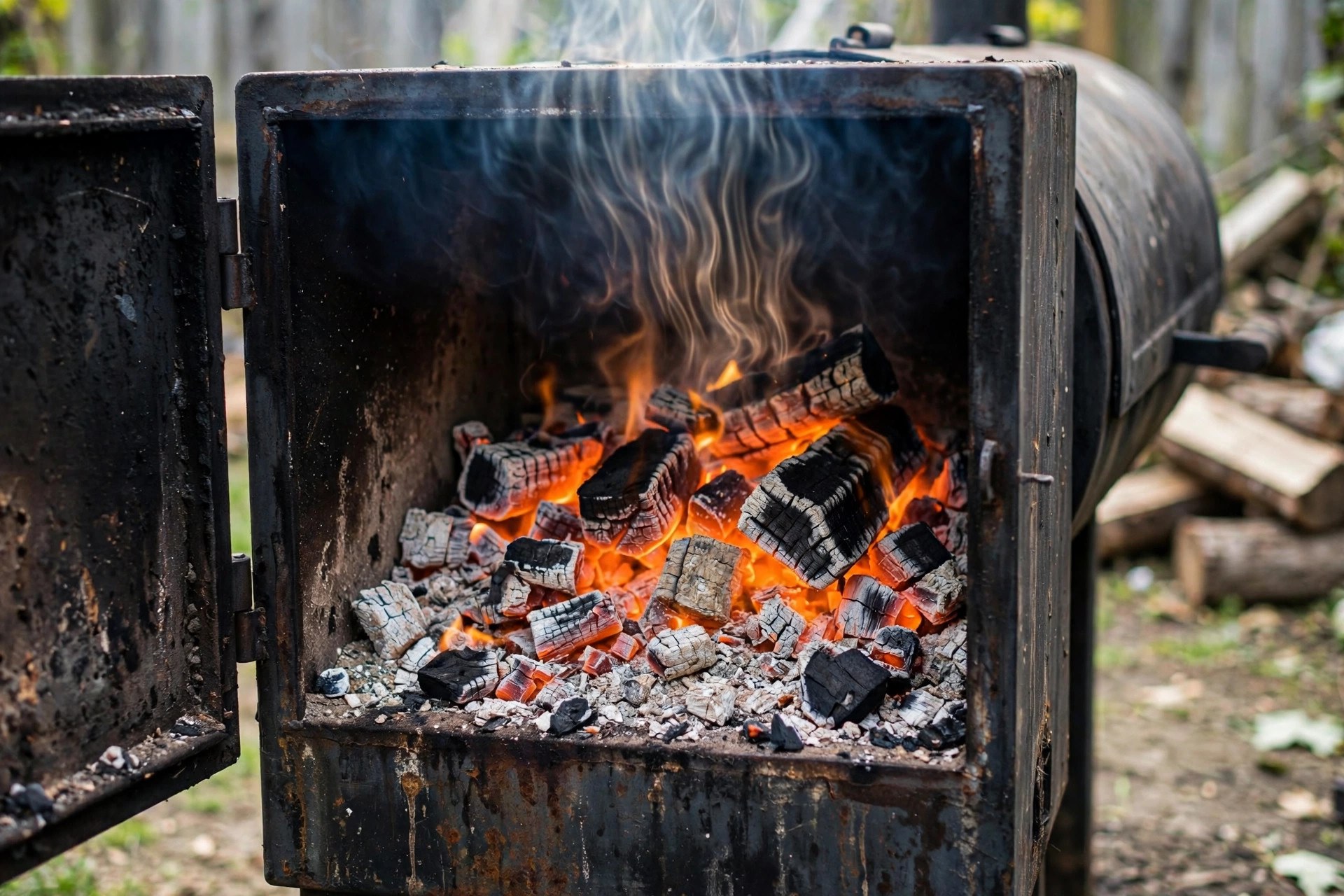
- Dirty smoke ruins the flavor. A fire that’s still getting established burns inefficiently and pumps out thick white smoke loaded with creosote and bitter compounds. Meat absorbs those off-flavors eagerly in the first hour. A preheated smoker burns clean and produces thin blue smoke — nearly invisible, sweet-smelling, and exactly what you want on your food.
- Cold metal steals your heat. Drop a 12-pound pork shoulder into a cold smoker and the chamber temperature can crash 50–75°F. The smoker then spends the first hour clawing its way back up, and your cook time stretches unpredictably. A preheated cooker barely notices the meat arriving.
- Bark formation starts hot. A good bark needs the meat’s surface to dry and the rub’s sugars and proteins to start caramelizing promptly. Meat that sits in a lukewarm, humid chamber for an hour develops a soft, pale exterior instead of the dark, crusty bark you’re after.
- Temperature swings flatten out. Every smoker overshoots and undershoots while it’s warming up — electrics especially can spike 25–50°F past the set temp before settling. Preheating burns through those swings before food is involved, so the cook starts on a stable baseline.
- Food safety gets easier. Meat should spend as little time as possible in the bacterial danger zone (40–140°F). Starting in a hot smoker gets the surface through that range faster, which matters most for poultry and ground meats.
The one exception is cold smoking — cheese, cured salmon, bacon — where you deliberately keep temperatures under 90°F. There, preheating would defeat the purpose. For everything else, preheat.
How to Preheat Your Smoker, Step by Step
The exact buttons differ by smoker, but the sequence is the same everywhere: prepare, light, stabilize, verify. Give yourself a full hour of lead time before the meat needs to go on — you’ll rarely need all of it, and you’ll never regret having it.
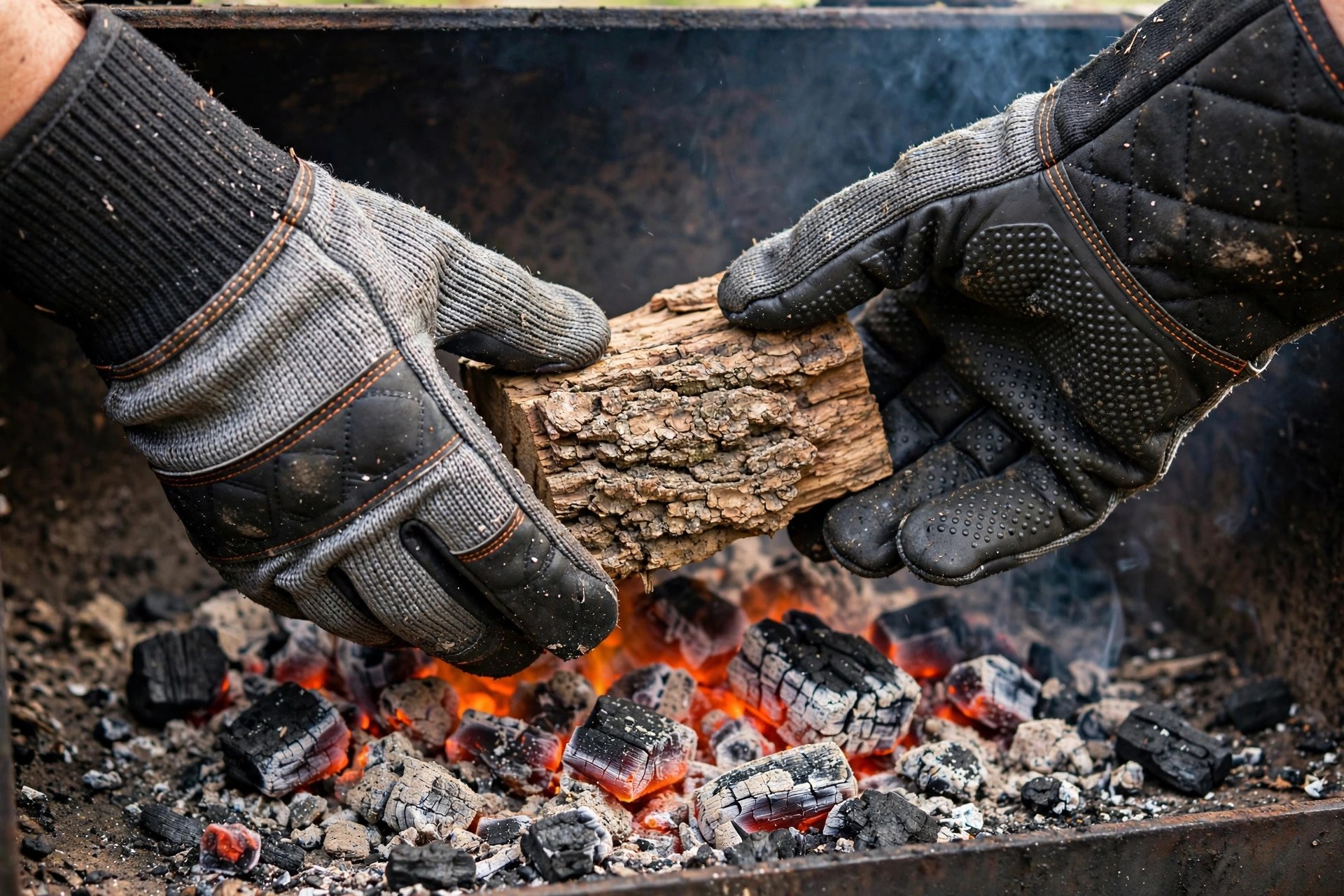
- Clean out the old ash and grease. Ash chokes airflow in charcoal and offset smokers; grease in the drip system can ignite and spike temperatures in any type. A quick scrape of the grates and an emptied ash pan take five minutes and remove the two most common causes of temperature trouble.
- Load your fuel and smoke wood. Fill the pellet hopper (keep it at least half full — running dry mid-preheat kills the fire), load the charcoal basket or firebox, or fill the electric’s chip tray with about a cup of dry wood chips. Add a water pan now if you use one; it needs warm-up time too and helps steady the chamber.
- Light it and set your target temperature. On a pellet or electric smoker, power on and dial in the exact temp you’ll cook at — 225°F for most low-and-slow cooks. On charcoal or offset, light a full chimney of charcoal (15–20 minutes to ash over), dump it in, add 2–3 wood chunks, and open the intake vents wide until the temperature climbs to about 25°F above your target.
- Dial in the vents as it approaches temp. When the chamber is within 25°F of target, start closing the intake vents — half open on most offsets, then fine-tune. The goal is to catch the temperature on the way up rather than chase it after an overshoot. Leave the exhaust stack at least half open at all times; closing it fully traps stale smoke.
- Let it ride for 10 full minutes at target. This is the step everyone skips. Watch your thermometer — grate-level probe, not the lid dial — and confirm the temperature holds within about ±10–15°F for ten minutes straight. If it’s still climbing or swinging, it’s not ready.
- Check the smoke. Look at what’s coming out of the stack. Thick white billows mean the fire is still dirty — give it more time. Thin, bluish, barely-visible smoke with a sweet smell means you’re cleared for takeoff. This pellet smoker preheating guide pegs the standard warm-up at 15–20 minutes before the smoke cleans up.
- Put the meat on, then leave it alone. Expect a 10–25°F dip when cold meat hits the grates — that’s normal and it recovers on its own. Resist the urge to open the vents wide or crank the dial; the smoker was stable five minutes ago and it will be stable again.
If this is a brand-new cooker, the “preheat” is actually a longer burn-in: see how to season a new smoker before its first real cook, since factory oils need 2–3 hours at 250°F+ to burn off.
How to Tell Your Smoker Is Ready
Don’t trust a single number on a dial. A smoker is ready when four things are true at once:
- The temperature is stable. Your grate-level thermometer has held within ±10–15°F of target for at least 10 minutes, through at least one full heating cycle on pellet and electric units.
- The smoke is thin and blue. White, billowing smoke = incomplete combustion = bitter food. Wait for the nearly invisible blue wisp. This alone is worth the preheat.
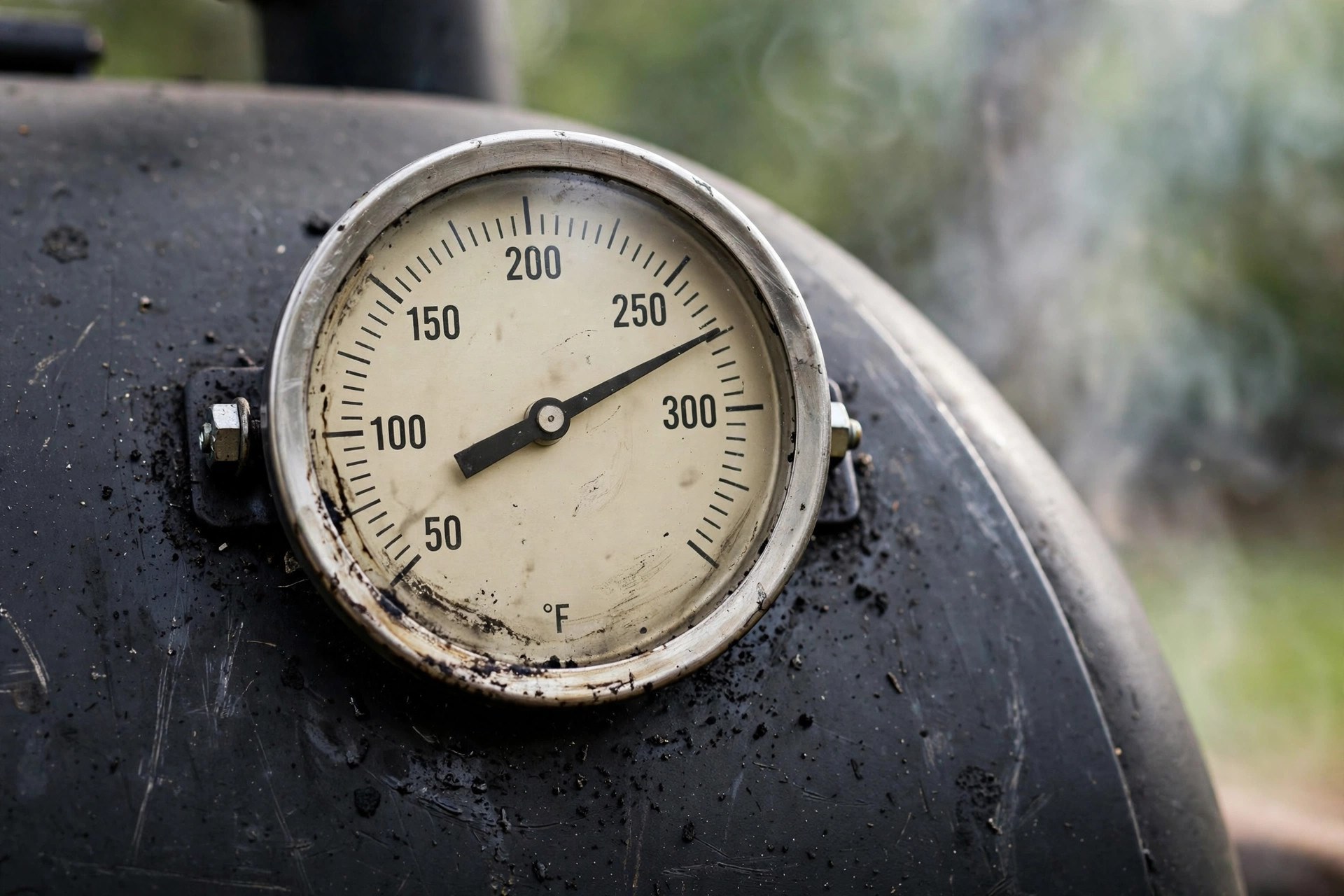
- Two thermometers agree. Built-in lid thermometers routinely read 25–50°F off from grate level, where the food actually sits. If your probe at the grate and the lid dial tell wildly different stories, trust the probe and keep stabilizing.
- The fire is established, not just lit. On charcoal and offset smokers, the coals should be fully ashed over with wood chunks catching and burning cleanly — not smoldering. On pellet grills, the initial heavy smoke of the startup sequence should have cleared.
A useful test: hold your hand near the exhaust stack. Ready smoke smells sweet and woody. Acrid, eye-stinging exhaust means the fire needs another 10–15 minutes. Your nose is a legitimate instrument here.
Cold Weather and Wind: Adjusting Your Preheat
Winter doesn’t cancel barbecue season, but it does change the math. Cold air and wind pull heat off a smoker’s walls faster than the fire can replace it, which stretches preheat times and makes stabilization harder.
- Add 10–15 minutes below 40°F, and up to 25–30 minutes below freezing. An electric smoker that preheats in 35 minutes in July might need a full hour in January — electric models are the slowest to warm up because their heating elements are low-wattage by design.
- Block the wind. A sheet of plywood, a fence panel, or even parking the smoker on the lee side of the house cuts heat loss dramatically. Wind hitting the intake vents also makes charcoal fires burn erratically.
- Preheat 25°F hotter than target in cold weather, then back the vents or dial down once the meat is on. The extra thermal mass in the walls buys you a buffer against the temperature dip when cold meat arrives.
- Keep the lid closed. Every open in winter costs double — the chamber loses heat faster and recovers slower. Plan your moves so the lid opens once, briefly, to load the meat.
- Budget extra fuel. A charcoal smoker can burn 30–50% more fuel holding 250°F on a freezing day. Start with a fuller basket than you think you need.
Preheat Mistakes to Avoid
- Putting meat on during the white-smoke phase. The first 10–15 minutes of any fire produce the dirtiest smoke of the whole cook. Meat added now absorbs bitter, acrid flavors it will never lose. If your finished barbecue ever tasted harsh or chemical, check out why smoked meat turns bitter — premature loading is suspect number one.
- Chasing the thermometer. Opening vents wide, then slamming them shut, then opening them again creates wild swings. Make small adjustments — a quarter turn on the intake — and wait 10 minutes before touching anything again.
- Trusting the lid thermometer alone. It measures the hottest air at the top of the dome, often 25–50°F above the grate. Food cooks at grate level; measure there.
- Forgetting the water pan. A dry water pan added mid-cook to a hot smoker is a steam bomb and a temperature shock. Fill it during the preheat so it warms with everything else.
- Preheating with the meat already inside “to save time.” This doesn’t save time — the cold meat extends the warm-up, the food sits in dirty smoke, and the cook starts from an unstable baseline. It’s the worst of every option.
- Ignoring the post-load dip. A 15–25°F drop when meat goes on is normal. The mistake is overcorrecting: cranking vents or the dial just as the smoker was about to recover on its own, which launches an overshoot you’ll fight for an hour.
Frequently Asked Questions
Should I preheat my smoker hotter than my cooking temperature?
Generally, preheat to the exact temperature you’ll cook at — if you’re smoking at 225°F, preheat to 225°F. In cold or windy weather, preheating about 25°F above target gives you a useful buffer, since the temperature will dip when cold meat goes on. Just dial back down once it stabilizes.
Can I put meat in a cold smoker and let it warm up together?
You can, but you’ll regret it. The meat sits in thick, bitter white smoke during the dirtiest phase of the fire, the chamber temperature crashes, and the cook starts from an unstable baseline. The only deliberate exception is cold smoking (cheese, cured fish), where you never want heat at all.
How long does a pellet grill take to heat up?
About 15–20 minutes in normal weather: the auger feeds pellets, the hot rod ignites them, and the fan brings the chamber up to temp. Below 40°F, allow 25–30 minutes. Wait until the controller shows the set temperature holding steady — not just touching it once — before loading food.
Does preheating waste a lot of pellets or fuel?
Very little. A 20-minute preheat on a pellet grill burns roughly a pound of pellets — pennies per cook. Charcoal users spend maybe a quarter chimney extra. Compared to the cost of the brisket you’re about to smoke for 12 hours, the preheat fuel is a rounding error.
My smoker won’t reach temperature during preheat. What’s wrong?
Check four things in order: fuel (enough charcoal, hopper at least half full, propane tank not empty), airflow (ash cleared, intake vents open, exhaust at least half open), seals (worn gaskets leak heat), and weather (wind and cold demand more fuel and a windbreak). On electrics, a failing heating element or a probe touching metal can also fool the controller.
Next time you smoke, work backwards from meat-on time: light the chimney or power on the smoker a full hour before the food needs to go in. Use the waiting time to trim, season, and fill the water pan. When the thermometer holds steady for ten minutes and the smoke runs thin and blue, you’re not guessing anymore — you’re cooking. That one habit will fix more barbecue problems than any gadget you can buy.
Related: once your smoker is holding steady, the next stall you’ll hit is the meat itself — here’s why brisket and pork butt stall mid-cook and what to do about it.
[…] On a charcoal or wood smoker, this doubles as a dry run for learning your vents — a preview of preheating your smoker […]
[…] the empty pan in before you preheat the smoker. Positioning a dry pan is easy; carrying three quarts of sloshing water into a hot cooker is […]