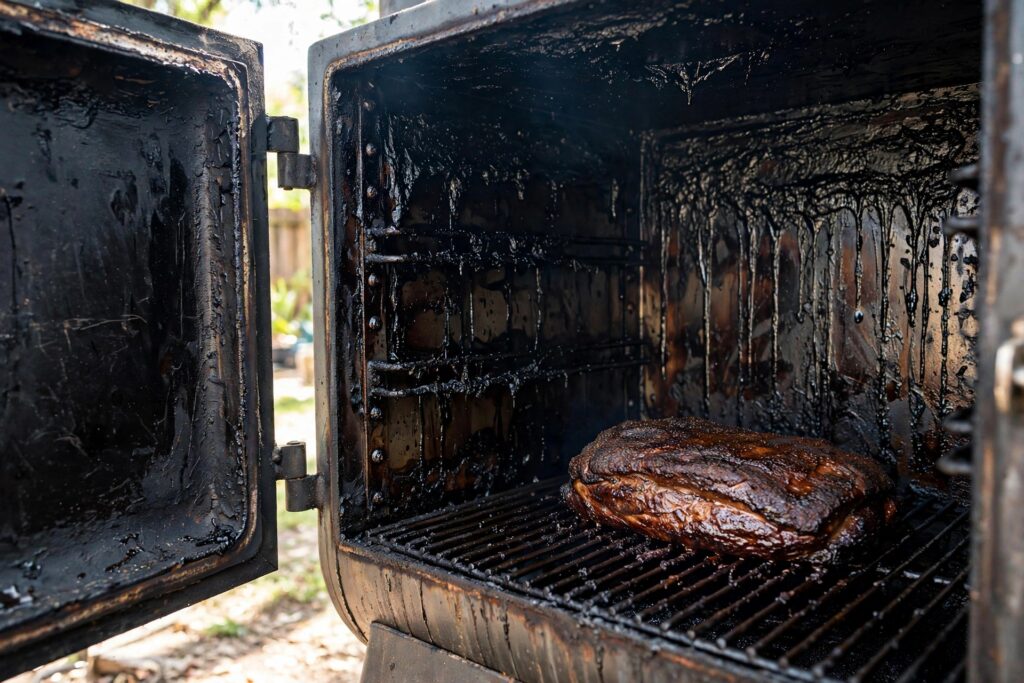
Creosote is a thick, black, tar-like substance that forms when wood doesn’t burn completely. Inside a smoker, it coats the walls, the chimney, and — worst of all — your meat, giving barbecue a bitter, acrid taste that can make your tongue tingle. You can’t wash it off food, but you can absolutely stop it from forming in the first place.
If you’ve ever opened a smoker to find the lid dripping with black goo, or bitten into brisket with a crust that looked varnished and tasted like an ashtray, you’ve met creosote. It’s the single biggest flavor-killer in low-and-slow cooking, and it comes from fire management — not from the meat, the rub, or the recipe.
This guide covers what creosote actually is, how it ruins your barbecue, what causes it, and the practical steps that keep it out of your smoker and off your food.
What Is Creosote, Exactly?
Creosote is a byproduct of incomplete combustion — the unburned chemical compounds left over when wood breaks down without enough heat or oxygen to finish the job. Hardwood contains lignin, a complex organic polymer, and when it smolders instead of burning cleanly, the smoke carries a heavy load of these compounds with it.
Here’s the part that matters for barbecue: those compounds travel as vapor in hot smoke, then condense back into a sticky residue when they hit cooler surfaces. As the Bearded Butchers describe it, creosote vaporizes at temperatures below about 540°F and condenses at temperatures below roughly 250°F — right in the range where most smoking happens. So your 225–275°F cook chamber is basically a creosote-condensing machine whenever the fire isn’t burning cleanly.
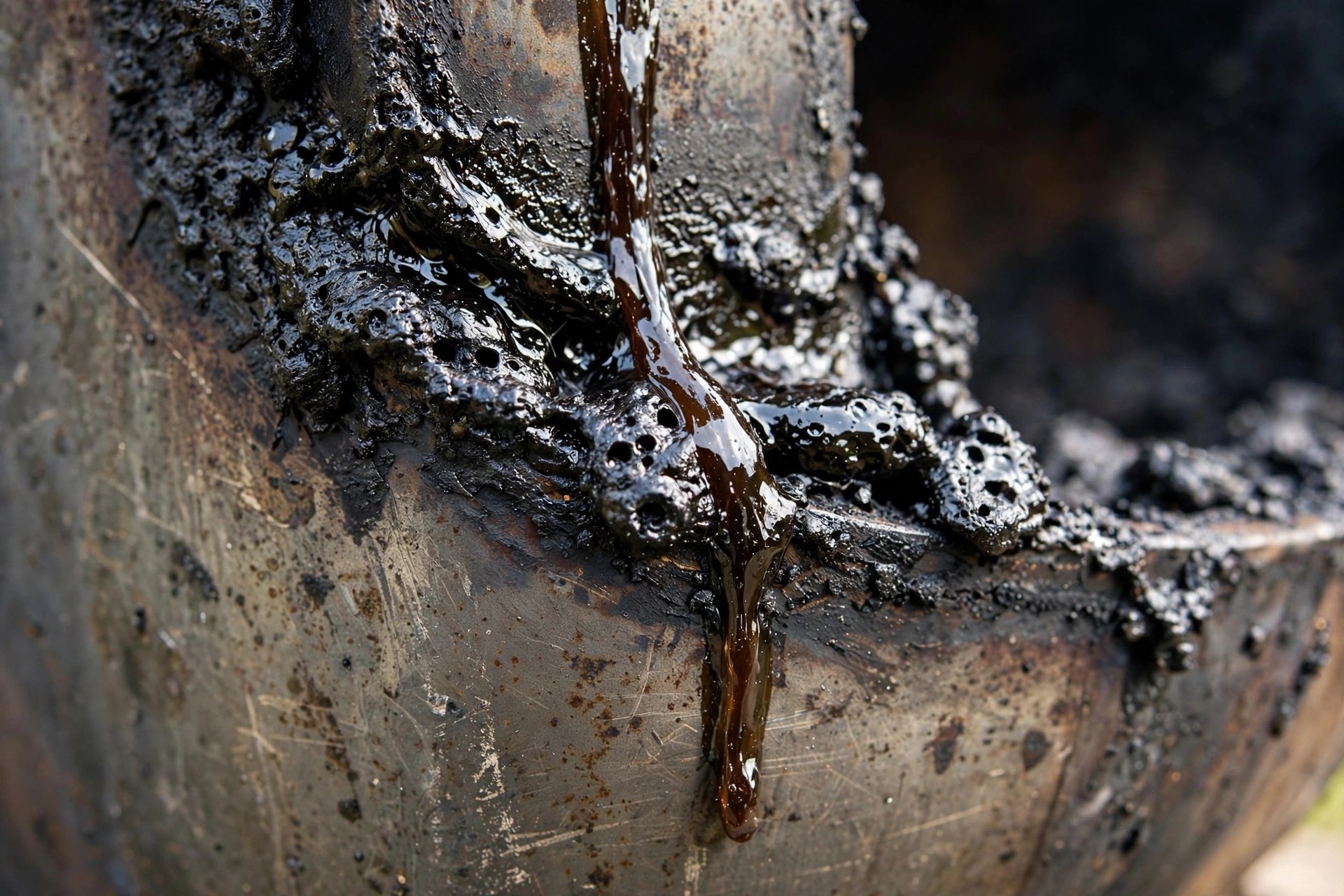
The result is that shiny black tar you’ll find dripping from a smoker lid, streaking down the chimney, or — worst case — coating your brisket’s bark. It’s distinct from the other residues in a smoker, and telling them apart is a genuinely useful skill. Read our breakdown of thin blue smoke to see what clean combustion looks like from the outside.
How Creosote Ruins Your BBQ
Creosote attacks your barbecue on three fronts: the meat, the smoker, and your senses.
On the meat. The vapor condenses onto the coolest available surface first — and at the start of a cook, that’s the meat. It settles into the bark, where it reads as a harsh, acrid bitterness that overwhelms every other flavor. The classic sign is a crust that looks shiny rather than crusty — wet-looking, sometimes with black streaks or drips. The bite stings, and the tip of your tongue may tingle or go slightly numb. The inside of the meat is usually fine, because creosote barely penetrates past the surface, but the outer half-inch can be inedible.
In the smoker. Creosote coats walls, grates, water pans, and the chimney interior. Once it’s there, it keeps causing trouble: flakes of old buildup fall onto food, drips land on your brisket, and the residue adds an acrid background note to every subsequent cook. A smoker with heavy buildup is like cooking in someone else’s dirty chimney.
In your firebox logic. This is the part people miss: creosote is a symptom of a fire problem, so it compounds itself. A struggling, oxygen-starved fire makes creosote; the creosote gums up vents and chimneys; restricted vents starve the fire further. You have to break the cycle deliberately, starting with the fire itself.
One reassurance: the pink smoke ring in your meat is not creosote and has nothing to do with bitterness — it’s just a harmless color reaction between combustion gases and myoglobin. Don’t let anyone tell you to scrape off the smoke ring to fix a bitter cook.
What Causes Creosote in a Smoker
Every creosote problem traces back to wood that isn’t burning hot and clean. The specific triggers:
- Wet or green wood. Unseasoned wood is full of sap and moisture. It steams and smolders at low temperatures instead of burning, pumping the chamber full of creosote-laden smoke. Season firewood 6–12 months until it reads below about 20% moisture.
- Too much wood at once. A stuffed firebox smolders; a small fire burns hot. On a stick burner, feed one split at a time and wait for it to catch fully before adding the next.
- Choked vents. Closing the exhaust to “hold heat” traps smoke in the chamber, where it lingers and condenses. Keep the exhaust vent fully open at all times and manage temperature with the intake.
- Cold, just-lit fuel. Fresh charcoal and new wood chunks go through an ugly grey-black smoke phase as they ignite. That smoke is creosote-rich — which is why meat should never go on during it.
- Soaked wood chips. Soaking chips is an old myth that refuses to die. Wet chips steam instead of smoldering cleanly, and that steam phase is exactly the white-smoke period you want to avoid.
- Wet pellets in a pellet grill. Pellet grills run cleaner than charcoal smokers, but damp or crumbling pellets burn poorly and still produce creosote. Store pellets dry and sealed.
- Skipping the preheat. Putting meat into a cold smoker that’s still finding its fire means the first hour of your cook happens in the dirtiest smoke of the day. Preheat the smoker until the smoke runs thin and pale before anything edible goes on the grates.
Pitmaster Robbie Shoults put it bluntly to Tasting Table: puffy white smoke that rolls off newly added wood carries a heavy load of creosote and bitterness — let it burn off before your meat ever sees it. If you’re choosing fuel for a long cook, our guide to the best wood for smoking brisket covers which species burn cleanest over 10+ hours.
Creosote vs Normal Smoke Residue: How to Tell the Difference
Not everything black inside a smoker is creosote, and you don’t want to scrub off the good stuff. A thin, dry, dark patina on smoker walls — pitmasters call it “seasoning” — is normal and even desirable. Here’s how to tell what’s what:
| Residue | Look and feel | Smell | What to do |
|---|---|---|---|
| Creosote | Shiny, black, sticky or tar-like; drips and runs | Acrid, chemical, sharp | Remove it — scrape, burn off, degrease |
| Soot and ash | Dry, powdery, dull grey-black; wipes off easily | Faint woodsmoke | Brush out periodically; harmless |
| Seasoning patina | Thin, dry, dark brown-black film bonded to the metal | Mild smoky | Leave it — it protects the steel and adds flavor |
| Rancid grease | Brown, gummy, usually near drip zones | Stale, sour, off | Clean it out; it turns every cook rancid |
| Rust | Orange-brown, rough, flaky | Metallic | Wire-brush and re-season with oil |
The quick test: drag a gloved finger across the surface. If it comes away with a sticky, shiny black smear, that’s creosote. If it’s dry dust, that’s just soot. And if you’re seeing that black goo actively dripping from the lid onto your food mid-cook — the thing forum smokers call “black rain” — that’s creosote mixed with condensed grease, and the cook underneath it is probably already compromised on the surface.
How to Prevent Creosote Buildup
Creosote is a fire problem, so the prevention list is really a fire-management checklist. Follow these and the tar stays away.
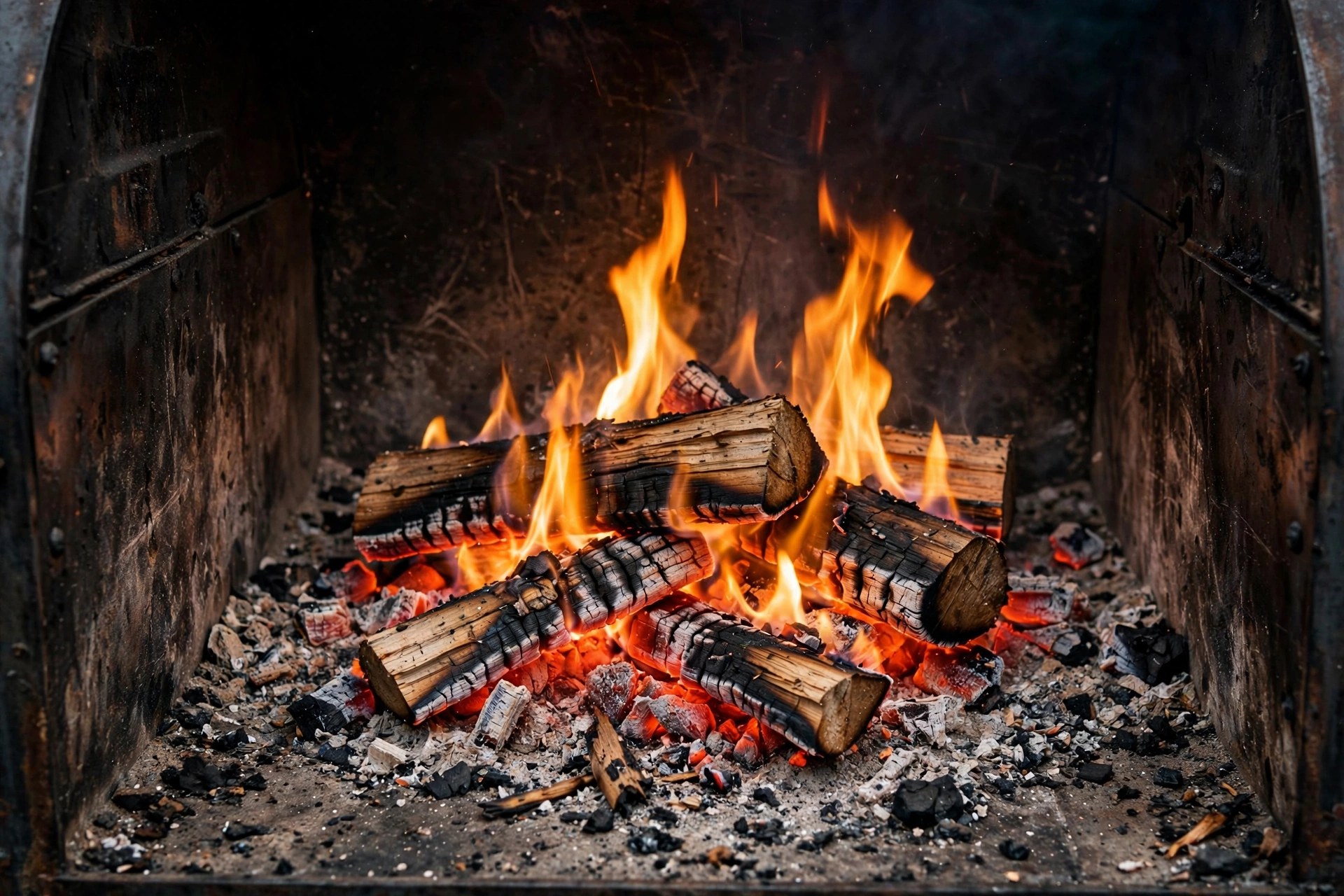
- Burn a small, hot fire. Temperature and oxygen are what complete combustion. A small fire with good airflow burns cleaner than a big smoldering one, every time. On offsets, this means feeding splits one at a time rather than loading up.
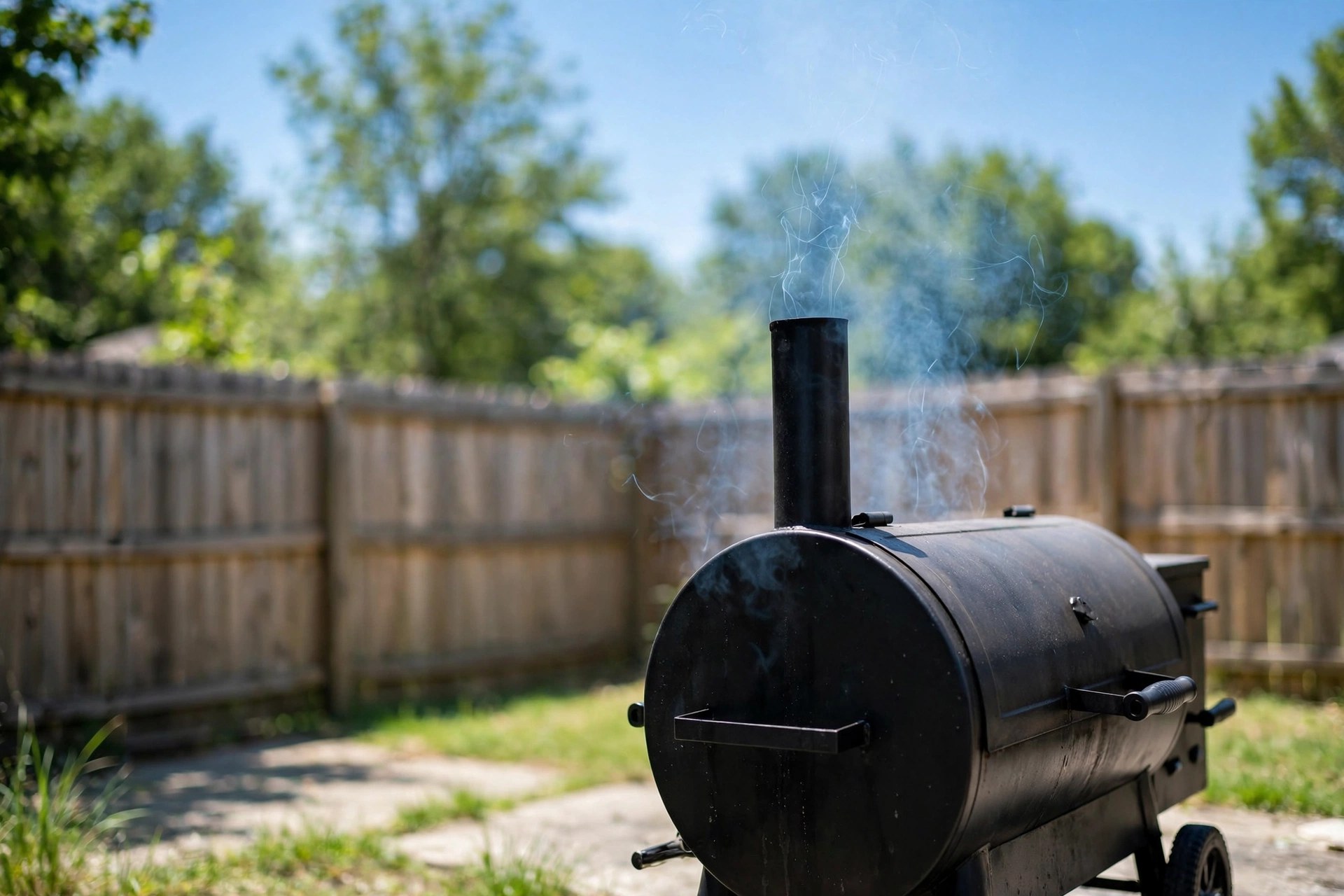
- Preheat the smoker to thin blue smoke first. Give the cooker 30–45 minutes after lighting to burn through its dirty-smoke phase. Meat goes on only when the exhaust is breathing pale, thin smoke — or nearly invisible heat shimmer.
- Keep the exhaust wide open. The number-one creosote habit to break. Restrict the intake to control temperature; never choke the exhaust. Smoke should move through the chamber briskly, not hang around.
- Burn down new wood before it touches the cook. Light charcoal in a chimney starter; let fresh splits catch fully in the firebox before closing the door. Pre-heating splits on top of the firebox so they’re already warm when they go in also helps them ignite instantly.
- Use dry, seasoned hardwood. Below ~20% moisture, aged 6–12 months, stored off the ground and covered. No softwoods, no construction lumber, nothing painted or treated.
- Don’t oversmoke in the first place. Meat absorbs most of its smoke flavor in the first 2–3 hours. On a charcoal cooker, 2–3 chunks of wood during that window is plenty; after that you’re feeding the fire, not the flavor.
- Wrap once the bark is set. At around 150–165°F internal, when the bark is firm and dark, wrapping in butcher paper or foil shields the surface from further smoke — including any bad smoke from a late-cook fire dip.
- Keep pellet fuel dry. On a pellet grill, store pellets sealed and indoors, and run the hopper dry between long breaks. Damp pellets are the pellet cooker’s version of green wood.
How to Clean Creosote Out of Your Smoker
If the damage is already done — the interior is flaking, the lid drips, the chimney is narrowing with tar — it’s cleaning day. A creosote-lined smoker will keep tainting cooks until you deal with it.
- Burn it off hot. Run the empty smoker at 300–400°F for 60–90 minutes. This bakes loose creosote until it’s brittle and carbonized, which makes the scraping ten times easier.
- Scrape the interior. A stiff putty knife or paint scraper takes off the big flakes from walls and the lid. A wire brush handles the grates. Wear gloves and a dust mask — old creosote flakes are nasty stuff to breathe.
- Degrease the stubborn spots. For tarry patches that won’t scrape, a grill degreaser or a paste of baking soda and water left to sit for 20 minutes will soften them. Rinse and dry thoroughly afterward; a wet smoker rusts.
- Clean the chimney and stack. The exhaust is where creosote concentrates most. Pull the stack apart if you can and scrape it out — a restricted chimney chokes airflow and starts the whole creosote cycle over again.
- Don’t power-wash the inside and call it done. Water drives grease deeper into seams and starts rust. If you do wash, follow with a full hot burn-off to dry everything, then wipe the interior with a thin coat of cooking oil to re-season.
How often? A heavy-use stick burner benefits from a scrape-down every 5–8 cooks and a real deep clean once or twice a year. Pellet grills and kamados need less — but “less” isn’t “never.” If you can flake the interior off with a fingernail, you’re overdue. Seasoning a brand-new cooker properly from the start also helps, as our guide to seasoning a new smoker explains.
Frequently Asked Questions About Creosote and BBQ
Is creosote on BBQ dangerous?
In the amounts that coat a badly smoked brisket, creosote is mainly a flavor problem — bitter, acrid, unpleasant. It’s not something you want to eat a lot of, which is why trimming the affected bark off is the standard fix. The bigger safety concern is creosote buildup in chimneys, where it can fuel chimney fires — keep your exhaust clean.
Can you remove creosote from smoked meat?
You can’t wash it off, but you can cut it off. Creosote sits almost entirely on the surface, so trimming the sooty bark from thick cuts like brisket or pork butt usually reveals clean meat underneath. Ribs are harder to salvage because there’s so little meat to work with.
Does a pellet grill produce creosote?
Much less than a charcoal or stick burner, because the burn is more controlled — but it can still happen with wet, crumbling, or low-quality pellets. Keep pellets dry and sealed, and you’ll rarely see real creosote from a pellet cooker.
Why is black stuff dripping from my smoker lid?
That’s creosote mixed with condensed grease and moisture — often called “black rain” by pitmasters. It means your fire is burning dirty, your exhaust may be restricted, or both. Don’t let it drip on the meat; shield the food, fix the fire, and clean the lid after the cook.
Is the black stuff inside my smoker creosote or seasoning?
Do the finger test: sticky, shiny, tar-like smear means creosote — scrape it off. Dry, thin, dull dark film means seasoning patina — leave it alone. When in doubt, the smell test works too: creosote smells sharp and chemical, seasoning smells like old woodsmoke.
The practical takeaway is one habit: build a small, hot fire and wait for thin blue smoke before the meat goes on. Nearly every creosote story — the bitter brisket, the dripping lid, the tarred chimney — starts with a fire that was rushed. Give the fire what it needs and creosote never gets a chance to form. If your last cook came out bitter, our guide on why smoked meat tastes bitter walks through the fixes.