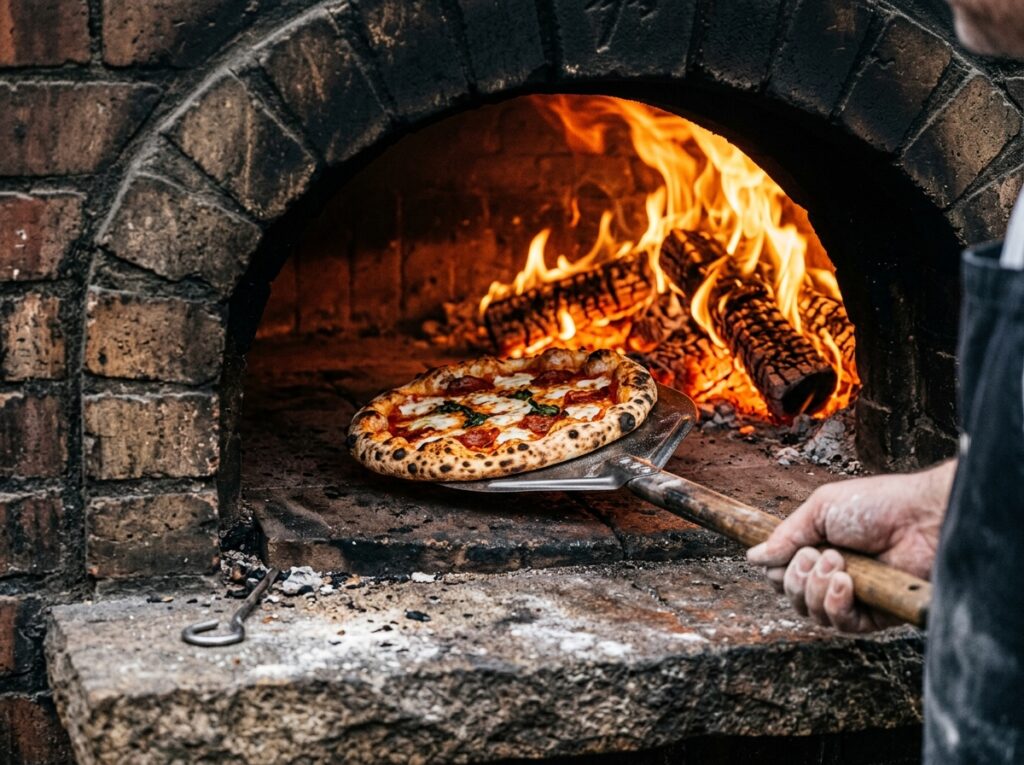
A standard kitchen oven tops out around 500°F. A proper pizza oven? It’ll hit 900°F or more. That temperature gap is exactly why your homemade pizza never tastes quite like the one from your favorite pizzeria. The crust stays soft inside, the char hits just right, and the cheese bubbles with those beautiful leopard spots in under 90 seconds.
If you’ve been thinking about getting a pizza oven for your backyard — or even your countertop — you’re not alone. The outdoor pizza oven market has exploded over the last few years, with options ranging from $150 portable models to $2,000+ built-in setups. But here’s the real question: which one is actually right for you?
That depends on what kind of pizza you want to make, how often you’ll use it, where you’ll put it, and honestly, how much patience you have with fire management. Let’s break all of that down so you can pick the best pizza oven without buyer’s remorse.
Why a Pizza Oven Makes Such a Big Difference
You might be wondering — can’t I just use my grill or crank up my kitchen oven? You can. But the results won’t be the same, and here’s why.
Pizza, especially Neapolitan-style, needs intense direct heat from both above and below. Your kitchen oven heats slowly, holds a max of about 500–550°F, and doesn’t radiate heat from the ceiling the way a pizza oven dome does. A grill gets hot, sure, but the heat pattern is all wrong for pizza — it’s concentrated at the bottom with very little top-down heat.
A dedicated pizza oven solves both problems. The cooking floor (usually cordierite stone or refractory brick) absorbs and radiates heat evenly from below. The dome shape reflects heat downward onto the top of the pizza. The result is a pie that cooks evenly in 60–90 seconds with a puffy, charred crust and perfectly melted toppings.
That speed matters more than you might think. A fast bake means the dough doesn’t dry out. The inside stays soft and airy while the outside gets crispy. You simply can’t replicate that in a slow oven.
Quick Fact: Traditional Neapolitan pizza (certified by the Associazione Verace Pizza Napoletana) must be baked at 905°F for no more than 90 seconds. Most quality home pizza ovens can hit that standard.
Types of Pizza Ovens: Which One Fits Your Life?
This is where most people get stuck. There are several types of home pizza ovens, and each one has a different personality. Let me walk you through them honestly — no type is “the best” for everyone.
Wood-Fired Pizza Ovens
This is the classic. You build a real wood fire inside the oven, let it heat up, push the coals to one side, and slide your pizza in. The flavor you get from wood-fired cooking is unmatched — a subtle smokiness that gas and electric simply can’t reproduce.
But let’s be real about the trade-offs. A wood-fired oven takes 20–45 minutes to reach cooking temperature, depending on the model and the wood you use. You need to manage the fire, rotate your pizza, and pay attention. It’s not a “set it and forget it” situation. You’ll also need a steady supply of kiln-dried hardwood — oak, cherry, or maple work great.
If you enjoy the process of cooking and you treat pizza night as an event rather than a quick dinner, a wood-fired oven is pure joy. Brands like Ooni Fyra, Gozney Roccbox (multi-fuel version), and Alfa Forni have made wood-fired cooking more accessible than ever.
Pro Tip: Use hardwood chunks rather than logs in smaller portable ovens. They ignite faster and give you more consistent heat. Avoid softwoods like pine — they create too much soot and can leave an off-taste on your pizza.
If you already enjoy managing live fire when you light up your kamado grill, you’ll feel right at home with a wood-fired pizza oven.
Gas Pizza Ovens
Gas-powered ovens (propane, usually) are the convenience play. You hook up a propane tank, turn a knob, and you’re at 800°F+ in about 15–20 minutes. No fire to manage, no ash to clean. The flame burns clean and consistent.
You do lose that wood-smoke flavor, but honestly, most people can’t tell the difference once toppings are on. The crust still chars beautifully because the temperatures are comparable. Gas ovens also give you more precise temperature control, which is great if you’re still learning how to work with high-heat baking.
The Ooni Koda 16, Gozney Roccbox (gas version), and Bertello are popular choices here. The Koda 16, in particular, has become something of a gold standard for home gas pizza ovens — its L-shaped burner distributes heat more evenly than most competitors.
Multi-Fuel Pizza Ovens
Can’t decide between wood and gas? Several ovens let you use both. The Ooni Karu 16, for example, comes with a gas burner attachment that you can swap in and out. Use gas on a busy weeknight when you want pizza fast. Switch to wood on the weekend when you’ve got time to enjoy the process.
Multi-fuel ovens tend to cost a bit more, but the flexibility is worth it if you’re the kind of person who likes options. Some models also burn charcoal or wood pellets, giving you even more fuel choices.
Electric Pizza Ovens
Electric ovens are the newest category to really take off, and they’ve gotten surprisingly good. The Breville Pizzaiolo and Ooni Volt are leading this space. They plug into a standard outlet (some need 240V), heat up fast, and can reach 750–900°F.
The biggest advantage? You can use them indoors. No smoke, no flame, no ventilation issues. If you live in an apartment or a condo with no outdoor space, an electric pizza oven might be your only option — and it’s a genuinely good one.
The downsides are size (most handle 12-inch pizzas max) and the fact that you won’t get any wood-fired flavor. But the convenience factor is hard to beat.
What to Look For Before You Buy
Picking the right pizza oven isn’t just about fuel type. There are several practical details that separate a good buy from a frustrating one.
Size and Cooking Area
Pizza ovens are generally categorized by the pizza size they can handle — 12-inch, 14-inch, or 16-inch. A 12-inch oven is fine if you’re cooking for two people. But if you’re feeding a family or hosting friends, a 16-inch oven saves you a lot of time because you’re making fewer pies.
Keep in mind that the oven itself takes up space too. A 16-inch model like the Ooni Koda 16 has a footprint of about 25 x 20 inches and weighs around 40 pounds. Make sure your table, cart, or countertop can handle it.
Cooking Floor Material
The floor of the oven is where your pizza sits, and it matters a lot. Most quality ovens use cordierite stone, which handles thermal shock well and distributes heat evenly. Some higher-end models use refractory brick or biscotto di Sorrento (a traditional Italian clay stone that’s considered the gold standard for Neapolitan pizza).
A cheap oven with a thin cooking stone will give you uneven bakes — burnt in spots, underdone in others. Always check the stone thickness. Anything under 10mm is a red flag.
Heat Recovery Time
Here’s something most reviews don’t mention. When you slide a cold, wet pizza onto a hot stone, the stone temperature drops. Heat recovery time is how quickly the stone gets back to cooking temperature between pizzas.
If you’re making six or eight pizzas for a party, slow recovery means long waits between pies or undercooked crusts. Gas ovens typically recover faster than wood-fired ones because the flame is constant. Wood-fired ovens need you to keep feeding the fire.
Insulation and Heat Retention
A well-insulated oven holds heat longer, uses less fuel, and gives you more consistent bakes. Cheap ovens with thin stainless steel walls lose heat fast, especially on windy days. Look for ovens with multi-layer insulation or thicker construction.
This is one area where you genuinely get what you pay for. A $200 oven will work, but it’ll burn through more fuel and require more babysitting than a $500 oven with proper insulation.
Portability
Do you want a permanent backyard setup or something you can take camping, tailgating, or to a friend’s house? Portable ovens like the Ooni Fyra 12 (22 lbs) and Ooni Koda 12 (20 lbs) fold up and fit in a car trunk easily. Larger ovens and built-in models are a different story — they’re staying put.
If you’re someone who also likes to take your cooking on the road with a portable pellet grill, a lightweight pizza oven pairs perfectly with that lifestyle.
Best Pizza Ovens Worth Considering in 2025
I’m not going to list 15 ovens and overwhelm you. Here are the standouts across different categories, based on real performance, build quality, and value.
Best Overall: Ooni Karu 16 Multi-Fuel
The Karu 16 is the most versatile home pizza oven you can buy right now. It handles wood, charcoal, and gas (with the separate burner attachment). It fits a 16-inch pizza, heats to 950°F, and has a glass door so you can actually watch your pizza bake without opening the oven and losing heat.
The ViewFlame technology (the insulated glass door) is genuinely useful — not just a gimmick. You can monitor char levels without constantly lifting the door. It weighs about 62 pounds, so it’s not truly portable, but it’s still moveable with two people.
Price: Around $800 (gas burner sold separately for ~$100)
Best Gas Pizza Oven: Ooni Koda 16
If you want gas-only simplicity, the Koda 16 is tough to beat. The L-shaped burner heats the entire cooking surface more evenly than center-mounted burners in competing models. It reaches 950°F in about 20 minutes. No chimney, no complex assembly. You literally unfold the legs, connect propane, and start cooking.
The 16-inch cooking surface handles larger pizzas and gives you room to rotate comfortably with a peel. It’s a “buy it once” kind of product — the build quality is solid stainless steel, and the stone is thick cordierite.
Price: Around $600
Best Budget Pick: Ooni Fyra 12
The Fyra 12 burns wood pellets, which are cheap and easy to find (you probably already have some if you own a pellet smoker). It’s compact, weighs just 22 pounds, and hits 950°F. At around $350, it’s the most affordable way to get into real wood-fired pizza at home.
The trade-off? It only fits a 12-inch pizza, and you need to feed pellets into the hopper every 15–20 minutes during cooking. But for a couple or a small family, it’s a fantastic entry point.
Best Electric: Breville Pizzaiolo
For indoor use, the Breville Pizzaiolo remains the king. It reaches 750°F (the highest of any consumer electric pizza oven) and has preset modes for different pizza styles — Neapolitan, New York, pan, thin crust, and frozen. The top and bottom heating elements are independently controlled, which gives you real precision.
It’s pricey at around $1,000, but if outdoor cooking isn’t an option for you, nothing else comes close.
Best for Serious Home Pizzaiolos: Gozney Dome
The Gozney Dome is a step up from everything above. It’s a semi-permanent outdoor oven with incredible insulation, a digital thermometer built into the oven, and compatibility with wood, gas, or both simultaneously. The thick rolling flame and stone floor produce pizzas that rival what you’d get at a high-end pizzeria.
It’s also gorgeous — this thing looks like a piece of outdoor furniture. But it weighs 128 pounds, costs around $1,800+, and isn’t going anywhere once you set it up. This is for the person who’s done experimenting and knows they want restaurant-quality pizza at home for years to come.
Pizza Oven Accessories You’ll Actually Need
You don’t need a mountain of gear, but a few things are non-negotiable.
A good pizza peel — You need something to launch and retrieve your pizza. A metal peel (thin, perforated) works best for launching because dough slides off easily. A wooden or composite peel is better for building your pizza on before the launch. Many people own both.
An infrared thermometer — Your oven might have a built-in thermometer, but those measure air temperature, not stone temperature. An infrared gun pointed at the cooking floor tells you exactly when it’s ready. You want that stone at 750–850°F for Neapolitan style. If you already own a quality instant-read thermometer for grilling, an infrared model is a great companion piece.
A turning peel — This is a small, round peel on a long handle used to rotate your pizza mid-bake. In a 90-second cook, the side closest to the flame chars faster. A quick turn at the 30-second mark ensures even cooking. You can use tongs in a pinch, but a turning peel makes life easier.
Heat-resistant gloves — The mouth of a pizza oven hits temperatures that will burn regular oven mitts instantly. Get proper heat-resistant gloves rated for at least 900°F. If you already have a pair for your grill, check if they’re rated high enough — most grill gloves work fine for pizza oven use too.
Pizza Oven vs. Grill: Can Your Grill Do the Job?
This question comes up a lot, especially from people who already own a kamado-style grill or a high-end gas grill. And the honest answer is: your grill can make good pizza, but it can’t match a dedicated pizza oven.
A kamado grill with a pizza stone and heat deflector can reach 600–700°F, which is high enough for a decent pie. The ceramic walls retain heat well, and you’ll get some smoky flavor from the charcoal. But the dome shape of a kamado isn’t optimized for pizza — the heat pattern is different, and you won’t get the same rapid top-to-bottom cooking ratio.
A standard gas grill with a pizza stone works too, but most gas grills max out around 500–600°F with the lid closed. That means longer bake times (4–7 minutes instead of 60–90 seconds), which changes the texture of your crust entirely. It’ll be crispier and drier, more like a bar-style pizza than a Neapolitan one.
If you make pizza once a month and already own a good grill, a pizza stone insert might be all you need. But if you make pizza weekly or you care about the craft, a dedicated oven is a different league.
Tips for Making Better Pizza at Home
Owning a great oven is only half the equation. Your dough, technique, and timing matter just as much.
Get your dough right. A simple Neapolitan dough has just four ingredients: flour (00 Tipo, like Caputo), water, salt, and yeast. The key is hydration (around 60–65%) and a long, cold ferment — 24 to 72 hours in the fridge. That cold rise develops flavor and makes the dough easier to stretch.
Don’t skip the preheat. Even if your oven reaches temperature in 20 minutes, give it another 10–15 minutes after that. You want the stone to be fully saturated with heat, not just the air inside. A hot stone is the difference between a crispy bottom and a soggy one.
Less is more with toppings. Overloading a pizza is the most common mistake. Too many toppings trap moisture, and your crust turns into a soggy mess before the cheese melts. A classic Margherita — sauce, fresh mozzarella, basil, olive oil — is beautiful in a pizza oven because each ingredient has space to shine.
Work fast during the launch. Once your topped pizza is on the peel, you have about 15–20 seconds to get it into the oven. The wet sauce starts to soak through the dough quickly, and then it sticks to the peel. Dust your peel with semolina flour (not regular flour, which burns at high heat) and slide it in with a quick, confident motion.
Rotate at the halfway point. In a wood-fired or gas oven, the side closest to the flame will cook faster. Give the pizza a 180-degree turn about 30–45 seconds into the bake. A turning peel makes this easy.
How Much Should You Spend?
Here’s a realistic breakdown of what different price ranges get you:
Under $350 — Entry-level portable ovens. They work, they hit high temperatures, but insulation is minimal, cooking area is small (12 inches), and build quality is decent but not premium. Good for beginners who want to test the waters.
$350–$700 — The sweet spot for most home cooks. You’re getting better insulation, larger cooking surfaces (14–16 inches), more fuel options, and sturdier construction. The Ooni Koda 16 and Ooni Karu 12 live here.
$700–$1,200 — Premium portable and semi-portable ovens. Multi-fuel capability, advanced features (glass doors, better thermometers), and noticeably better heat retention. The Ooni Karu 16 and Gozney Roccbox sit in this range.
$1,200+ — Semi-permanent or permanent installations. The Gozney Dome, Alfa ovens, and custom-built brick ovens. These are investments for people who are serious about outdoor cooking and plan to use their oven for years. Besides pizza, these ovens roast vegetables, bake bread, cook steaks, and basically function as an outdoor kitchen centerpiece.
Think about how this fits into your overall outdoor cooking setup. If you’ve already invested in a quality offset smoker or a pellet grill, a pizza oven complements that setup perfectly — it fills the one gap that grills and smokers can’t.
Caring for Your Pizza Oven
Pizza ovens are relatively low-maintenance, but a few habits will keep yours performing for years.
Let it cool completely before cleaning. Don’t pour water on a hot stone — thermal shock can crack it. Once cool, brush off any food debris with a dry brush. The high cooking temperatures essentially self-clean the stone by burning off residue.
Don’t use soap on the stone. Cordierite and other pizza stones are porous. Soap will soak in and flavor your next ten pizzas with Dawn dish liquid. Just brush and scrape.
Store it covered or indoors. Rain and moisture are the enemies of a pizza oven. Even stainless steel models will develop surface rust if left exposed. Most manufacturers sell fitted covers, and they’re worth every penny.
Check your stone periodically. Hairline cracks in a pizza stone are normal and don’t affect performance. But if a large chunk breaks off, replace the stone. Most brands sell replacement stones for $50–$80.
FAQ
What’s the best pizza oven for beginners?
The Ooni Koda 12 or Koda 16 (gas) are the easiest to start with. No fire management, simple temperature control, and you’ll be making great pizza on your first try. If you want wood-fire flavor on a budget, the Ooni Fyra 12 (wood pellet) is a great starter — just know there’s a slight learning curve with pellet feeding and fire management.
Can I use a pizza oven for things other than pizza?
Absolutely. A pizza oven that reaches 700°F+ can sear steaks in under two minutes, roast vegetables with beautiful char, bake flatbreads, cook fish, and even make desserts like skillet cookies. Many people use their pizza oven as a general outdoor high-heat cooking tool. It pairs well with all the side dishes you’d serve at a BBQ too.
How long does it take to heat up a pizza oven?
Gas ovens heat up in 15–25 minutes. Wood-fired ovens take 30–45 minutes, sometimes longer for larger brick ovens. Electric ovens vary — the Breville Pizzaiolo reaches cooking temperature in about 10–15 minutes. Always allow extra time beyond the initial preheat for the stone to fully absorb heat.
Is it worth getting a pizza oven if I already own a good grill?
Yes, if you enjoy pizza and make it regularly. A grill with a pizza stone can produce decent pizza, but it can’t match the speed, char, or crust texture of a dedicated pizza oven. They serve different purposes — your grill handles low-and-slow cooking, burgers, steaks, and everything else. Your pizza oven handles the one thing your grill does only okay.
Do I need a special flour for pizza oven baking?
For high-heat baking (over 700°F), Tipo 00 flour is ideal because it has the right gluten structure and protein content to handle extreme heat without burning. Caputo Pizzeria and Caputo Chef’s Flour are the most popular choices. Regular all-purpose flour works at lower temperatures (500–600°F) but tends to burn or get too crispy at pizza oven temperatures.
Your Next Move
Picking a pizza oven comes down to three things: how you like to cook, how much space you have, and what you’re willing to spend. If you want simplicity, go gas. If you love the ritual of fire, go wood. If space is tight, go electric. And if you want it all, a multi-fuel oven gives you that freedom.
Whatever you choose, that first pizza you pull from a proper oven — with the crust blistered just right, the cheese still bubbling, and that smell hitting you all at once — you’ll wonder why you waited so long. Start with a dough recipe you trust, don’t overthink the toppings, and give yourself a few bakes to find your rhythm. The learning curve is short, and the reward is every single pizza night from here on out.