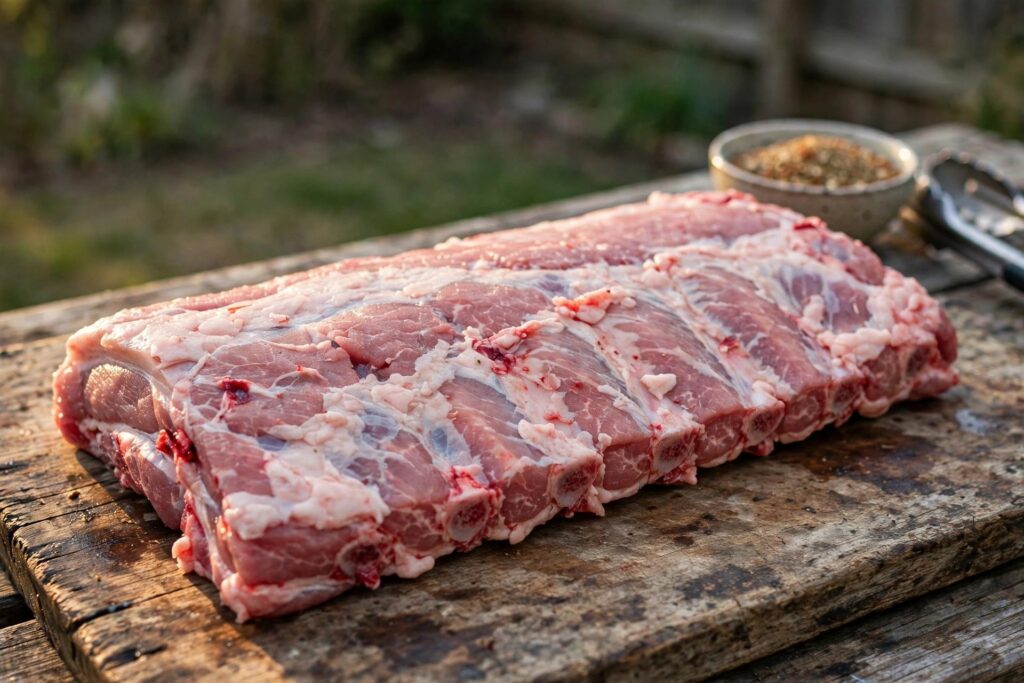
No, you should not boil ribs before grilling or smoking. Boiling pulls flavor and rendered fat out of the meat and into the pot. Low, indirect heat breaks down the same tough collagen — more slowly, but without throwing away the flavor. Boiling only makes sense as a last-resort shortcut when you are short on time.
It is one of the oldest arguments in backyard barbecue. Your uncle swears by boiling ribs for an hour before they hit the grill. Competition pitmasters would rather quit than dunk a rack in water. Both get tender ribs. Only one gets tender ribs that actually taste like barbecue.
Here’s the honest version: what boiling does to ribs, why the top pitmasters skip it, the one situation where it still earns its place, and how to do it without wrecking dinner if you go that route anyway.
The Short Answer: Skip the Boil
The best rack of ribs you have ever eaten was almost certainly never boiled. The reason is simple: everything a boil does for tenderness, low-and-slow heat does better, with none of the cost.
Ribs are tough because of collagen and connective tissue between the bones. Both a pot of boiling water and a 225–250°F grill break that collagen down into soft gelatin. The difference is what happens to everything else. In the pot, rendered fat, dissolved gelatin, and seasoning wash out into the water. On the grill, they stay in the meat — or they render onto the surface and join the bark.
A rack that spends 45–60 minutes simmering comes out soft, yes. But it also comes out milder, grayer, and with less to offer the fire afterward. You still have to grill or smoke it to build color and crust. So you have not saved the important work — you have just added a step that costs flavor.
What Boiling Actually Does to a Rack of Ribs
Strip away the opinions and the chemistry is straightforward. A rib is about 60–70% water, plus muscle fibers, a heavy load of collagen, and a lot of intramuscular and surface fat. Three things happen when it goes into boiling water:
- Collagen breaks down fast. Collagen starts converting to gelatin at around 160°F internally. Boiling water holds the whole rack at 212°F, so the conversion races. That is the entire reason boiling “works” for tenderness.
- Fat renders out and stays out. Fat melting inside the meat bastes it as it cooks. Fat melting into a pot is gone forever. Boiled ribs lose a noticeable share of their juiciness insurance.
- Flavor compounds leach. Myoglobin, minerals, and water-soluble flavor compounds migrate from the meat into the liquid. The result is a rib that is tender but bland, and a pot of liquid that tastes like really good rib soup — which is a hint you just moved the flavor somewhere you did not want it.
For beef ribs, the trade is even worse. Beef short ribs are twice as thick and carry more fat worth keeping, so boiling sacrifices more flavor for proportionally less time saved — the grill finish they need afterward is almost as long as it would be anyway. Pork ribs are the one cut where a pre-boil costs the least.
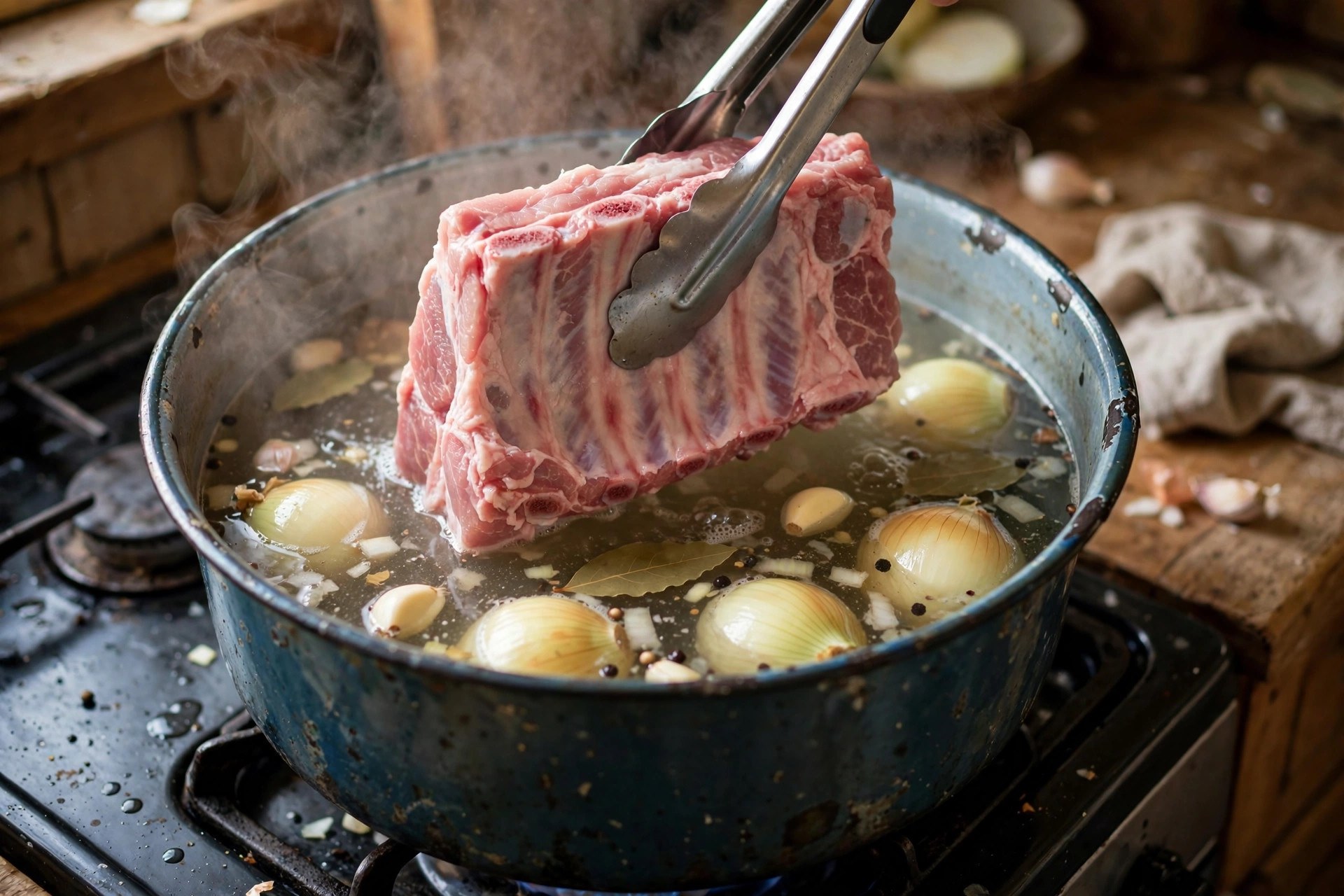
There is also the matter of smoke. Smoke flavor only sticks to the meat’s surface while it is on the cooker, and a boiled rack has already cooked partway through before the smoke ever touches it. The meat’s pores, so to speak, are partially spent. It absorbs less smoke in the time it spends on the fire, and it never develops the same deep bark. As one barbecue writer puts it, boiling solves a problem that heat and time already solve better on the grill itself.
Why Most Pitmasters Say Skip the Boil
If you ask ten competition pitmasters whether to boil ribs, you will get ten variations of “absolutely not.” That is not snobbery — it is arithmetic they have done with thermometers.
A full rack of St. Louis-cut spare ribs smoked at 225–250°F takes 5–6 hours. Baby backs take 3–4. That long, gentle heat converts collagen to gelatin just like the pot does, but the fat stays in place and the surface slowly builds bark — the dark, caramelized crust that holds most of the flavor. A foil wrap halfway through (the classic 3-2-1 method) even gives you a steaming step inside the cooker, tenderizing without dunking anything.
Boiling tries to replace the first two hours of that cook and cannot replace the rest. You still need grill time for crust, color, and smoke. You still need a thermometer or a bend test to tell when ribs are done. And you have traded away fat and flavor for a tenderness you could have had anyway. Every grilling vs. smoking comparison comes back to the same point: low, indirect heat is the technique, and there is no shortcut that adds anything.
The One Situation Where Boiling Ribs Makes Sense
Honesty requires the counterpoint. There is exactly one scenario where a pre-boil is defensible: you need edible ribs fast, and dinner is happening whether the ribs are ready or not.
A boiled-then-grilled rack can go from fridge to plate in about 90 minutes. For a weeknight, a tailgate, or a cook who genuinely has no other option, that beats ordering pizza. The meat will be tender. A heavy rub and plenty of sauce will paper over a lot of the lost depth.
If you find yourself in that situation, there is one rule that matters: simmer, never boil. A hard rolling boil agitates the meat and squeezes out juices; a gentle simmer at 185–200°F softens connective tissue more evenly. Forty-five minutes to an hour for spare ribs, 30–40 for baby backs, and skim the foam that rises in the first few minutes. This simmer-not-boil distinction is the single most useful piece of advice in the pro-boil camp.
How to Boil Ribs Without Wrecking Them
If you are going to do it, do it properly. The goal is damage control: put flavor into the water so less leaves the meat, keep the simmer gentle, and give the ribs a strong finish on the fire.
- Start with cold, flavored liquid. Cover the ribs with cold water or, better, stock. Add 1 quartered onion, 4 smashed garlic cloves, 2 bay leaves, 1 tablespoon salt, and 1 teaspoon black pepper per rack.
- Bring up slowly. Bring the pot to a bare simmer — small bubbles, not a rolling boil — around 185–200°F.
- Skim and time it. Skim the foam in the first few minutes. Simmer spare ribs 45–60 minutes, baby backs 30–40, until they bend easily but do not fall apart.
- Rest and dry. Pull the ribs, pat them completely dry with paper towels, and let them sit 10 minutes. A dry surface is what browns on the grill.
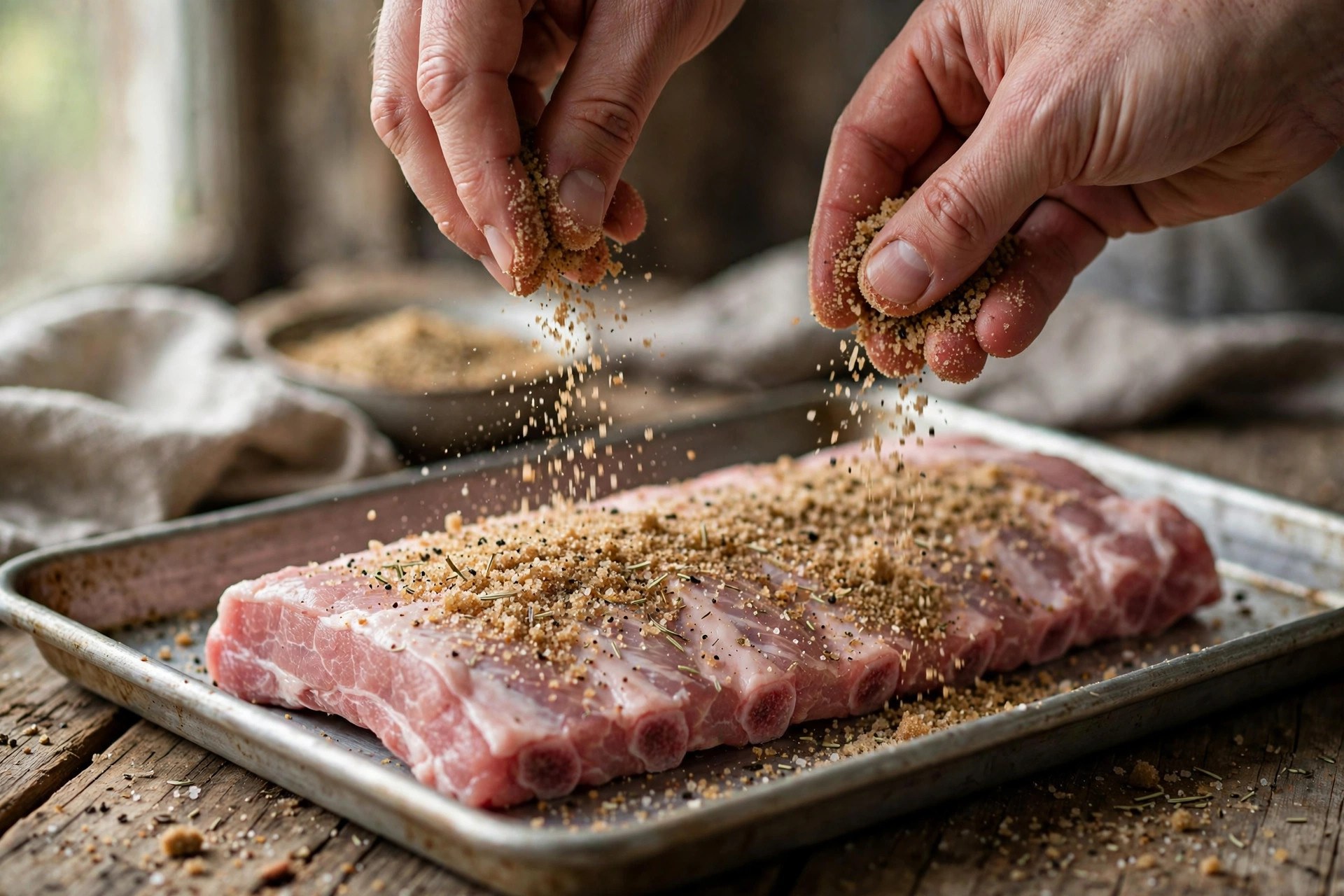
- Season hard. Apply your dry rub generously — boiled ribs have less internal flavor to spare, so the exterior has to work harder.
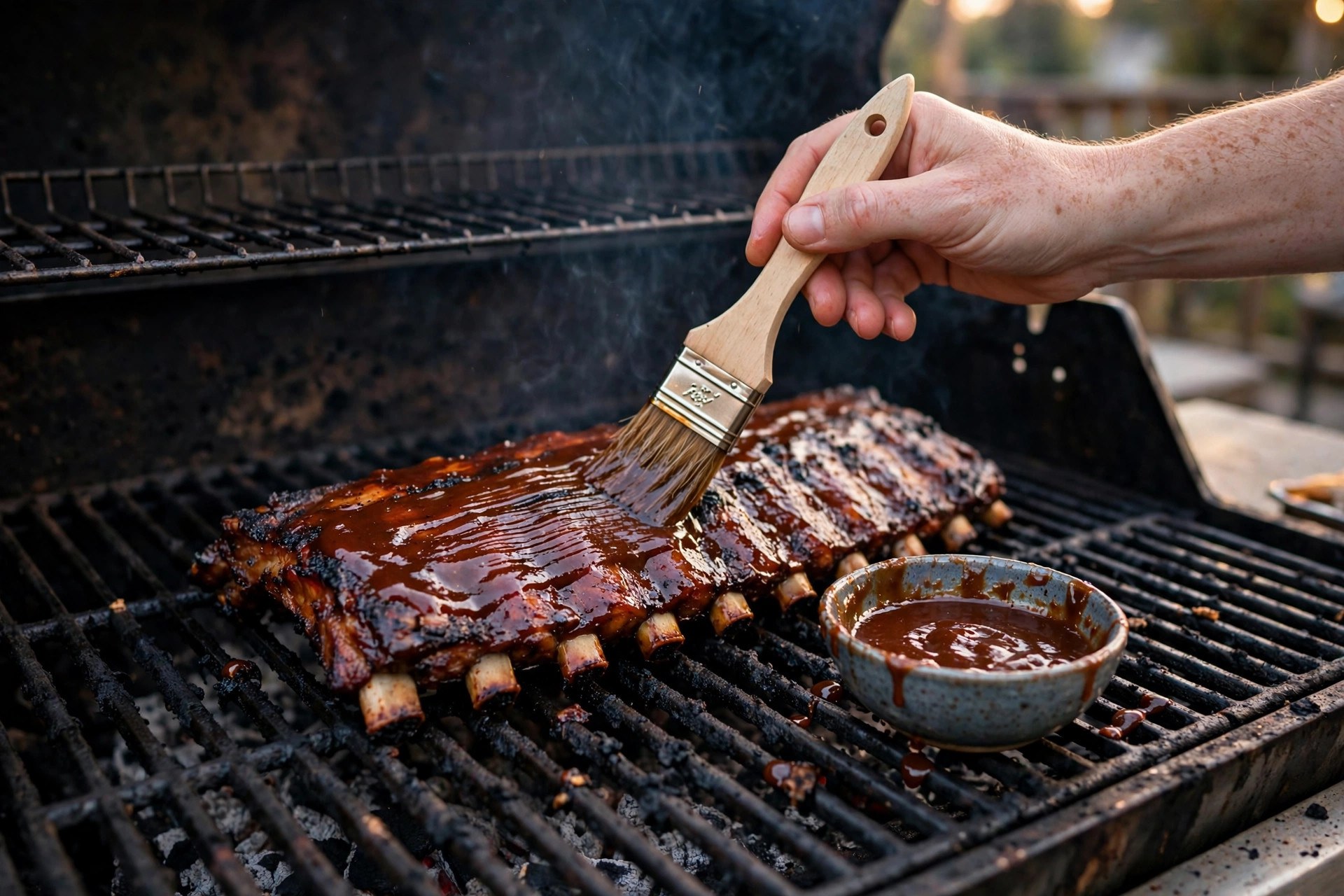
- Finish hot and sauced. Grill over medium-high indirect heat, about 15 minutes per side, brushing with sauce every 5 minutes to build a glaze.
Bonus: strain and save the cooking liquid. It makes an excellent base for beans or collard greens, which is at least a use for all the flavor the pot collected.
Better Ways to Get Tender Ribs (No Pot Required)
Before you fill the pot, compare what the alternatives actually cost you:
| Method | Total time | Tenderness | Flavor | Bark |
|---|---|---|---|---|
| Boil, then grill | ~90 min | High | Muted — fat and flavor went into the water | Thin |
| Low-and-slow smoke | 3–6 hrs | High | Full — fat renders in place, deep smoke | Deep and even |
| 3-2-1 wrap method | ~6 hrs | Very high | Full, plus braising juices | Good — finish unwrapped |
| Oven start, grill finish | ~3 hrs | High | Good, minus some smoke depth | Good — finish over the fire |
The 3-2-1 method deserves a closer look because it is the legitimate version of what boiling tries to do. Three hours of smoke at 225°F, two hours wrapped in foil with a splash of apple juice and butter, one hour unwrapped to set the bark. The wrapped stage steams the ribs in their own juices — tenderizing like a boil, but in liquid made from the meat itself rather than plain water.
Short on time? The oven-first route is the smarter shortcut. Wrap the ribs in foil, cook at 275°F for about 2 hours, then finish 30–40 minutes on the grill for char and sauce. It costs you a little smoke depth, but none of the flavor the pot steals. And if you are choosing the cut, check how many ribs are in a rack and pick baby backs — they finish an hour or two sooner than spares.
Frequently Asked Questions
How long should you boil ribs before grilling?
If you are doing it anyway, simmer spare ribs 45–60 minutes and baby backs 30–40 minutes in a gentle 185–200°F simmer — never a hard rolling boil. Then pat them dry and finish 20–30 minutes on the grill to build color and glaze.
Does boiling ribs make them more tender than smoking?
No. Boiling gets there faster, but it cannot make ribs tenderer than a proper low-and-slow cook. Both methods convert collagen to gelatin at the same internal temperatures; the smoker just keeps the fat and flavor inside the meat while it happens.
Can you boil ribs in beer or broth instead of water?
Yes, and you should. Flavoring the liquid — stock, beer, apple cider, onion, garlic, bay — puts some flavor back toward the meat and softens the loss. It does not eliminate the downside, but it narrows it.
Is it safe to parboil ribs ahead of time?
Yes, with one rule: chill them within 2 hours of the simmer, keep them refrigerated below 40°F, and finish them on the grill within 2 days. Partially cooked pork is still perishable.
Why do my boiled ribs taste bland even with sauce?
Because a share of the pork’s own flavor ended up in the pot instead of in the meat. Sauce and rub can only sit on the surface; the interior lost compounds they cannot replace. That is the trade, and it is why the low-and-slow route wins on taste.
So here is the practical takeaway for your next cook: pick one rack, run it low and slow at 225–250°F with a foil wrap in the middle, and taste what the water was stealing. If you are still curious after that, dial in your smoke quality and learn to spritz — those two skills will do more for a rack of ribs than any pot ever will.