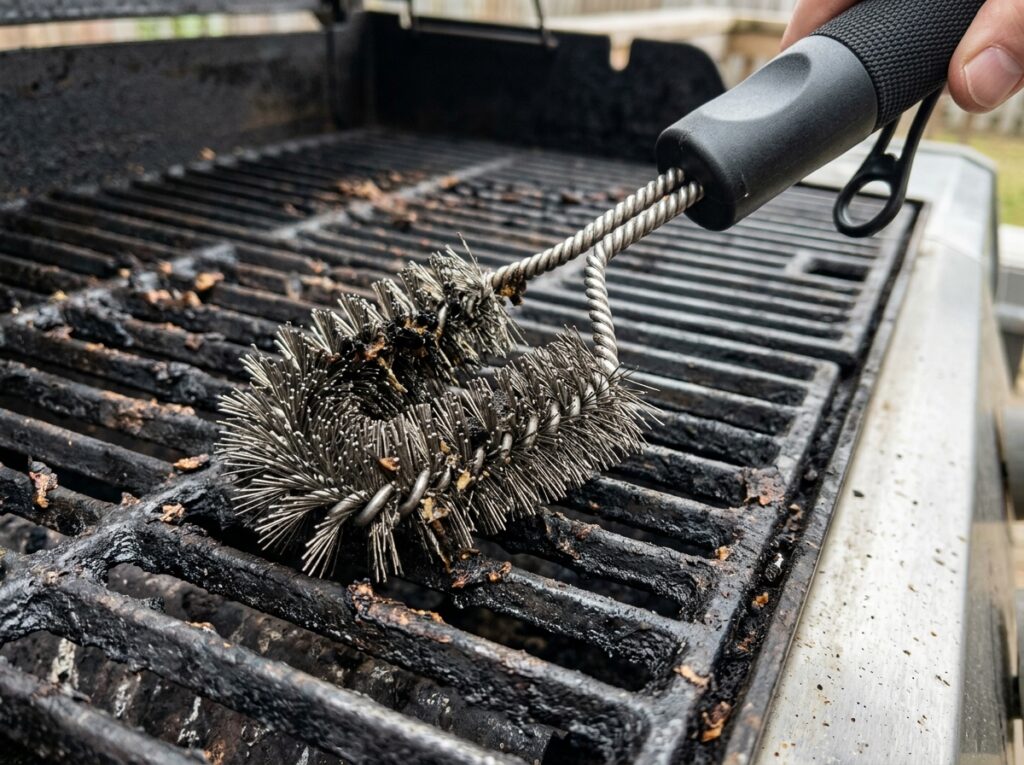
A clean grill does more than make your food look better. It also helps keep burnt flakes, old grease, and loose debris off your dinner. If you’re trying to find the best grill brush, you’re probably stuck between wire brushes, bristle-free designs, and those steam-cleaning tools that seem strange until you try one.
Here’s the simple truth: the best grill brush isn’t the one with the hardest scrub. It’s the one that cleans well, fits your grate material, and doesn’t create a new safety problem. That’s where most buying guides fall short. They throw product names at you, but they don’t explain what actually works on stainless steel, cast iron, porcelain-coated grates, or flat-top griddles.
Let’s fix that and make your next cookout a little easier.
3. Full Content
What people really want from the best grill brush
Most people searching for the best grill brush don’t just want a random product pick. They want a fast answer to a few very real questions.
Is a wire brush still safe?
What should you use on porcelain-coated grates?
Can one brush work for a gas grill, pellet grill, and kettle?
Should you clean the grate while it’s hot or cold?
That’s the real search intent here. People want a tool that saves time, doesn’t damage the grate, and doesn’t make them second-guess every burger they serve.
A good grill brush should do three things well:
- Remove carbon and grease
- Protect your grill surface
- Stay safe and sturdy over time
That sounds obvious, but plenty of brushes miss at least one of those.
Quick Fact: The safest grill brush isn’t always the most aggressive one. A brush that tears up residue in five seconds but sheds metal or scratches coating can cost you more later.
A lot of ranking articles also act like every grill is the same. It isn’t. A wire brush that works on bare stainless steel grates may be a bad idea on porcelain-coated grates. And if you cook on a flat top, a brush often isn’t your best tool at all. You’ll get better results with a scraper and pad.
So before you click “buy,” you need to know what type of brush actually fits your grill.
Which type of grill brush is safest and works best?
Bristle-free coil brushes: the best all-around choice for most people
If you want one answer that fits most backyards, go with a bristle-free coil or loop-style grill brush.
These brushes use tightly wound metal coils instead of traditional individual wire bristles. That matters because the big fear with old-school wire brushes is loose bristles breaking off and ending up on the grate or in food. Consumer safety agencies and doctors have warned about that risk for years, and it’s the main reason bristle-free designs got so popular.
A good bristle-free brush works well on:
- stainless steel grates
- cast iron grates
- many porcelain-coated grates, if you use light pressure
It won’t always bite into thick carbon as fast as a stiff wire brush. Still, for most home grillers, the trade-off is worth it. You get solid cleaning power with less worry.
If you shop this category, look for a head that feels rigid, not floppy. Cheap versions can bend too much and just smear grease around.
Traditional wire-bristle brushes: strong cleaners with real downsides
A classic wire-bristle grill brush still cleans hard buildup fast. That’s why some pitmasters still use them on bare stainless steel or cast iron. If you forgot to clean your grill after a sticky rib cook, a wire brush can chew through that crust faster than almost anything else.
But here’s the catch. The safety concern is real enough that many shoppers now avoid them completely. A single stray bristle on a grate is not a small issue. If that bristle ends up in food, it can cause serious injury.
That doesn’t mean every wire brush is automatically dangerous the minute you touch it. It does mean you need to be strict if you use one:
- inspect the brush head often
- replace it at the first sign of loose or bent-out bristles
- wipe the grates after brushing
- never use a worn-out brush “one more season”
If that sounds like more hassle than you want, trust your gut and skip this type.
Warning: If you ever think a wire bristle may have gotten into food, don’t wait it out. Get medical advice right away.
Steam-cleaning grill brushes: safe and surprisingly effective
Steam-cleaning grill brushes became popular because they solve a common problem: you want something safer than loose metal bristles, but stronger than a soft scrub pad.
These tools use a thick cleaning head, often made with heat-resistant fabric or similar material, on a hot grill. You dip the head in water, run it across the hot grate, and the steam loosens grime.
They work best for:
- regular maintenance
- moderate grease and residue
- people who clean after most cooks
They don’t always shine on heavy, baked-on carbon. Think of them like a good mop, not a chisel. If your grill looks like it survived three sauce-heavy weekends and a tailgate, you may need a scraper first.
Grill Rescue helped make this style famous, and by 2026, this category has a loyal following. If you grill often and care a lot about safety, it’s a strong option.
Nylon and non-scratch brushes: good for delicate surfaces, but read the label
Nylon brushes and non-scratch scrub heads can work well on porcelain-coated grates or lighter messes. They’re gentler than steel tools, and that’s a plus.
The big issue is heat. Many nylon brushes are only safe on a cool grill or a grill that’s barely warm. Use them on very hot grates and you can melt the head, ruin the brush, and make a mess.
So if you pick nylon, check the manufacturer’s heat limit. Don’t guess.
This style makes sense if you baby your grill, clean often, and don’t let food burn on for days.
Scrapers, wooden paddles, and grill stones: useful, but not universal
Some people skip brushes and use a scraper instead. That can work very well.
A wooden grill scraper slowly forms grooves that match your grates over time. Lots of people like them because there are no loose metal bristles. They’re simple and solid. The downside? They take patience, and they work better after repeated use.
Grill stones or pumice stones also clean well, especially on heavy buildup. Still, they wear down as you use them, and the grit can get messy. You’ll want to wipe the grate well after.
And for a flat-top griddle? A scraper is often the right answer from the start.
Did you know? If you cook on a Blackstone-style surface, a “grill brush” may actually slow you down. A long scraper, water, and a griddle pad usually clean faster and better.
How to choose the right grill brush for your grill grates
Stainless steel grates: you have the most flexibility
Stainless steel grates are the easiest to match with a brush. They can handle more scrubbing than delicate coated grates, so you’ve got options.
A bristle-free coil brush is the safest smart pick for most people. If you want stronger bite and you’re okay with careful inspection, a quality stainless wire brush can work too.
If you own a big gas grill with wide cooking space, choose a brush with a wider head. It saves time. If the grate layout has tight gaps, a narrower or angled brush may reach better.
If you’re still shopping for your setup, our guide to the best gas grill can help you compare grate styles and cooking space before you buy.
Cast iron grates: clean them well, then protect the surface
Cast iron grates need a little more respect. They can take scrubbing, but they also need seasoning. If you attack them hard, then leave them damp, rust can show up fast.
A bristle-free brush works well here. A wire brush can work too, especially for crusty buildup, but follow it with a light coat of oil once the grate is clean and dry.
Think of cast iron like a good skillet. Clean it, dry it, protect it.
A lot of people ruin cast iron not because the brush was wrong, but because they stop after brushing. The last step matters.
Porcelain-coated grates: go gentler than you think
This is where many buyers make a bad choice.
Porcelain-coated grates are common on gas grills, pellet grills, and some charcoal cookers. They look tough, but the coating can chip or scratch if you get too aggressive. Once that happens, cleanup gets harder and rust can start underneath.
For porcelain-coated grates, your safest bets are:
- a bristle-free brush used with light pressure
- a nylon or non-scratch tool, if the grate is cool enough
- a soft scraper or pad for spot cleaning
A harsh wire brush may not destroy the grate in one pass, but repeated rough cleaning can shorten its life. If your grate already has chips, don’t keep scraping at those edges like you’re sanding paint off a wall.
Pellet grills and gas grills: check the coating before you buy the brush
A lot of pellet grills and gas grills use coated steel grates, not bare stainless. That means the “most powerful” brush on the shelf may not be the best match.
Before you buy, check the manual or product page for your grill. If it says porcelain-coated steel, clean accordingly. If it’s stainless, you’ve got more freedom.
This sounds small, but it saves money. Grates are not cheap.
Kamado grills: clean the grate, not the ceramic parts
Kamado owners often run their grill hot and use the heat to burn off residue. That works great on the metal grate. It does not mean every part of the cooker wants the same treatment from a steel brush.
Use your brush on the metal cooking grate. Be careful around ceramic parts, heat deflectors, and glazed surfaces. They’re not built for rough metal brushing.
If you use a burn-off method as part of cleanup, these ways to light a kamado grill will help you do it safely and cleanly.
Flat-top griddles: don’t force a grill brush into the job
If you mostly cook on a flat top, stop hunting for a classic grill brush. You probably need a griddle scraper, scrub pad, and towels instead.
That’s a common miss in competitor articles. They lump grills and griddles together even though the surfaces clean very differently.
If that’s your style of cooking, our guide to the best outdoor griddle is a better next read than another brush roundup.
Features that matter more than brand hype
A lot of brushes look similar online, especially in photos. What should you actually pay attention to?
Look for these basics:
- a handle around 16 to 18 inches for safer reach
- a head that doesn’t wobble
- a scraper edge for stubborn spots
- easy-to-rinse materials
- a replaceable head if you grill often
If the brush feels flimsy in your hand, it won’t improve on the grate.
Best grill brush picks by use case
You don’t need ten products fighting for your attention. You need the right style for your grill and cleaning habits. Here’s the short list I’d point most people to.
Best grill brush overall: a sturdy bristle-free coil brush
For the average backyard cook, a bristle-free coil brush is the best mix of safety, durability, and cleaning strength.
It works especially well if you grill burgers, chicken, steaks, sausages, and the usual weekend stuff. You’ll get strong cleaning without the same level of worry tied to loose wire bristles.
Brands change, model names change, and sellers love flashy claims. Don’t get too hung up on hype. Buy the design, not the marketing line.
Best safest option: a steam-cleaning brush
If safety is your top priority, a steam-cleaning grill brush deserves a hard look.
This type is great for people who clean after each cook and don’t let gunk build up for weeks. It’s also nice if someone in your house hates the idea of wire brushes anywhere near dinner. Fair enough.
Real-world example? If you cook salmon on a lightly oiled grate, a steam brush often cleans the residue quickly without harsh scraping. That same tool may struggle a bit more after sugary barbecue sauce burns onto the bars.
Best for heavy buildup: a scraper plus a stronger brush
If your grill regularly gets hammered with sticky sauces, burnt marinades, or long low-and-slow cooks, a single soft brush may not cut it.
In that case, use a scraper first, then a stronger brush. For bare stainless or cast iron, some experienced grillers still use a quality wire brush here. If you go that route, be careful and inspect it every time.
If you’d rather stay away from wire completely, use a heavy-duty bristle-free brush with a solid scraper edge. It takes a little longer, but it keeps the routine simpler.
Best for porcelain-coated grates: a gentle bristle-free or nylon option
Porcelain-coated grates need restraint. Don’t chase brute force.
Pick a gentler bristle-free design or a nylon/non-scratch brush rated for your grill’s temperature. You may need a few extra passes, but that’s still better than scratching the coating and making every future cleanup harder.
Best for flat tops: not really a brush
For griddles, the best “grill brush” is usually a scraper kit. That’s the honest answer.
A metal scraper clears food residue fast. A scrub pad handles stuck grease. A thin layer of oil protects the surface after cleanup. Simple.
Best budget choice: a basic scraper or wooden grill scraper
If you’re on a budget, you don’t need a premium gadget. A simple scraper or wooden grate scraper can do a lot of good work.
Wood scrapers have a loyal fan base for a reason. They’re simple, safe, and long-lasting if you don’t leave them soaking in the weather.
If you’re putting together a full backyard kit, our picks for the best grill tools are worth a look too.
How to use a grill brush the right way
A great brush won’t help much if the timing is wrong.
For most grills, the easiest moment to clean is after preheating or right after cooking, while the grates are still warm and residue is softer. Not blazing with active flames. Just hot enough that the mess lifts easier.
Here’s a simple routine that works well:
- Preheat the grill for 10 to 15 minutes to loosen old residue.
- Lower the heat or let the flames settle before brushing.
- Brush along the grate pattern, not wild in every direction.
- Use a scraper for thick spots instead of forcing the brush harder.
- Wipe the grates with a damp cloth or paper towel held with tongs.
- Oil cast iron lightly after cleaning and drying.
That final wipe matters more than many people think. It removes loosened ash, grease bits, and any debris your brush lifted but didn’t carry away.
Pro Tip: Clean once after cooking and do a quick pass again before the next cook. That two-minute habit makes deep cleaning much easier.
If you like cleaning while the grates are still warm, pair your brush with one of the best grill gloves. It’s a small upgrade, but your knuckles will appreciate it.
Some pitmasters also do a quick burn-off for sticky residue, especially after sugary glazes. If that’s part of your setup, check out the best propane torch for grilling before you try it with the first cheap torch you find in the garage.
Common mistakes that ruin grates and shorten brush life
Using the wrong tool for the surface
This is the biggest one.
People buy one brush and use it on everything. Stainless grate, porcelain grate, griddle top, even ceramic parts on a kamado. That’s how coatings get scratched and tools wear out early.
Match the brush to the surface, not the other way around.
Cleaning at the wrong temperature
Too hot, and some brush heads can melt or smear. Too cold, and you’ll work twice as hard.
Warm grates are usually best. The big exception is nylon or certain non-scratch tools that are made for cool surfaces only.
Common misconception: “Hotter is always better.”
Not really. Hot enough to loosen mess is good. Red-hot with active flames licking the brush head is not.
Pressing harder instead of switching methods
If the residue won’t move, don’t just mash the brush down harder. That often bends the head, wears out the tool, and still leaves the crust in place.
Use a scraper, a burn-off, or a little steam. Same goal, less strain.
Never replacing the brush
A grill brush is not a forever tool.
Replace it if you see:
- loose parts
- bent or shedding bristles
- torn cleaning pads
- a cracked wooden body
- rust that won’t clean off
If you grill every weekend, give your brush a quick inspection often. It takes ten seconds.
Forgetting the wipe-down
A brush loosens debris. It doesn’t magically teleport it off the grate.
Always finish with a wipe using tongs and a folded paper towel or cloth. That last pass is what leaves the surface ready for food.
4. FAQ Section
FAQ
What is the safest grill brush?
The safest grill brush for most people is a bristle-free grill brush or a steam-cleaning grill brush. Both avoid the biggest concern tied to old-style wire brushes: loose metal bristles getting left on the grate.
If your grill has porcelain-coated grates, a gentle non-scratch or nylon option can also be safe, as long as you use it at the temperature the maker recommends.
Are wire grill brushes still safe to use?
They can be used, but they need more caution than other styles. A wire brush can clean very well, especially on bare stainless steel or cast iron. The problem is wear. If bristles loosen, they can stick to the grate and become a serious hazard.
If you use one, inspect it often, replace it early, and wipe the grates after brushing. If you don’t want that extra worry, skip wire and go bristle-free.
Can I use a grill brush on porcelain-coated grates?
Yes, but not every grill brush is a good match. Porcelain-coated grates need a gentler touch. A harsh steel brush can scratch or chip the coating over time.
A bristle-free brush used lightly, or a nylon/non-scratch brush rated for that surface, is usually a better choice.
What can I use instead of a grill brush?
You can use a scraper, wooden grill scraper, steam-cleaning tool, grill stone, or griddle pad, depending on the surface.
For a flat-top griddle, a long scraper is often better than a brush. In a pinch, some people use a balled-up piece of foil with tongs, but that’s more of an emergency move than a best practice.
Should I clean my grill hot or cold?
For most metal grate brushes, warm to hot grates work best because residue lifts easier. For nylon or certain non-scratch brushes, the grill often needs to be cool or only lightly warm.
So the answer depends on the brush type. Check the label, then match your cleaning routine to it.
5. Conclusion
The best grill brush is the one that fits your grate, your cooking style, and your comfort level with safety. For most people, a sturdy bristle-free coil brush is the smartest all-around pick. If safety is your main concern, a steam-cleaning brush is a strong choice. If you cook on porcelain-coated grates, go gentler than you think. And if you own a flat-top, grab a scraper instead of forcing a brush into the job.
Your next step is simple: check what your grill grates are made of, then buy the tool that matches that surface. Do that once, and every cleanup after your next rack of ribs or burger night gets easier.